
My Creative Process: From Concept to Print
I often get asked about my creative process and how I bring my ideas to life. The journey from the initial spark of inspiration to the final printed piece is fascinating and deeply personal. In this blog post, I invite you to join me on a behind-the-scenes look at my artistic process, from ideation to the finished product.
You might be surprised to read that I only recently became a Fine Art photographer and visual artist. It took me a long time to embrace photography's creative side and use it as my voice as an artist, even as a photographer. I was a people-pleaser, creating what I thought would appeal to people and my Instagram followers. ( I wrote a whole post about people pleasing that you can read here)
I was trying to conform to doing headshots for business while I felt like screaming inside, and I thought it was so mundane. I have nothing against headshots; I was just not the photographer for that. For years, I created photoshoots to feature in my portfolio. I loved working on the photoshoot from scratch, imagining the story, finding a model, and the clothes that would fit the mood and the correct location. I used to browse every charity shop I passed to find the perfect dress for the shoot I had in mind. I found this gorgeous bustier dress by Coast with black-and-white polka dots and a lovely chiffon skirt, or some unique vintage pieces.
These portrait photo shoots were still pretty classic, with an editorial feel, and nothing overly creative. Still, they gave me the knack for creating images from scratch, supported by a story. These little creative portrait photo shoots have led me to a deeper need to develop fine artwork and to say something with my photography. You might wonder where I find my ideas.
The main inspiration for my artwork comes from deep within. I'm using art as my voice; photography is a beautiful medium for expressing it. Most of my art is about finding your voice and being free, and there's no doubt these topics deeply resonate with my needs. I'm at an age where I dream of being free, but due to family commitments, I can't let go yet and drop everything to travel the world, so I use that in my art.
Where do I find inspiration?
Inspiration can strike at any moment, whether I am travelling to a new destination, observing the play of light on a city street, or engaging in everyday life. I've learned to keep an open mind and a keen eye, always ready to capture those fleeting moments of beauty or intrigue. I carry a small notebook to jot down ideas, sketch compositions, and record any thoughts or emotions that arise. I also take my inspiration from films by visiting museums and exhibitions. I love getting lost in the long corridors of the National Gallery or the V&A in London. Each time I see Florence in Italy, I tour the wooden floors of the Uffizi. I tear pages from magazines and create inspirational boards on Pinterest. I might not use these images straight away, but they are there for inspiration.
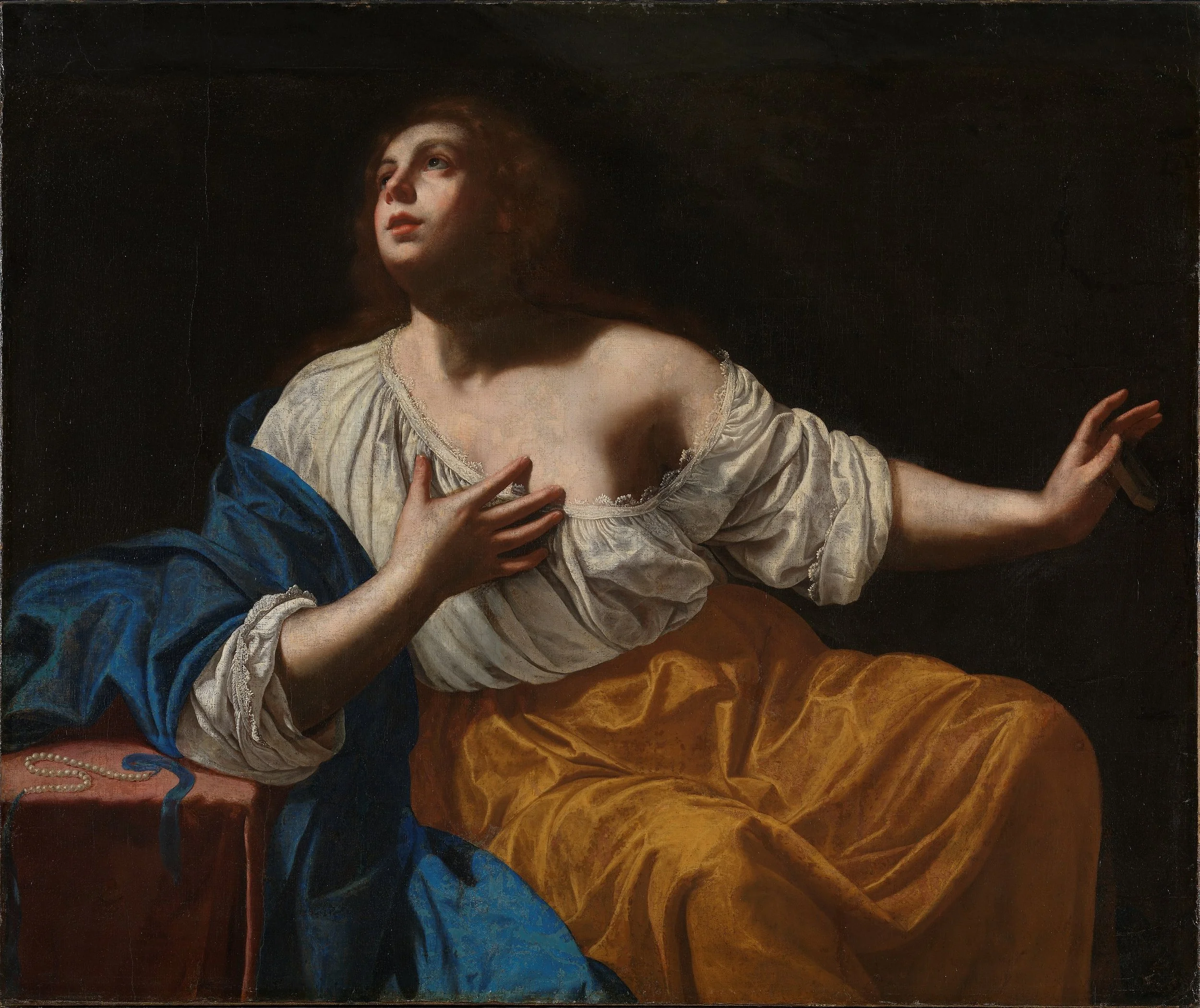
By Artemisia Gentileschi
I have to talk about inspiration, specifically the Netflix series Ripley. First, Andrew Scott and all the actors are mesmerising, but then the whole series is shot in black and white; this is not how we usually see Italy. Every scene in this series is a beautiful photograph. I want to rewatch the series just for the photography. It is classic and elegant, with a fantastic composition that will undoubtedly inspire my photography. Inspiration comes and goes, and you can find it anywhere. Just write or store it somewhere so you can refer to it.
Conceptualisation and Planning
Fail to plan and prepare for failure! This is probably the most crucial step in the whole process. Once your team is in the studio, it’s too late. You want to imagine your set and images before entering the studio. This is where you can play with the idea, change it if it doesn’t work, and plan every step of your creative project.
I usually jot down my ideas in ink on unlined pages in my brown leather-bound notebook, and my project takes shape. This involves researching the subject matter, walking a lot while scouting locations, finding costumes and outfits, finding a team for the model and makeup artist, and visualising the final image or series.
As my photos are fine art, I usually don't work with a stylist, since I prefer to hire costumes from the National Theatre or use items from my wardrobe, curated from browsing charity and vintage shops.
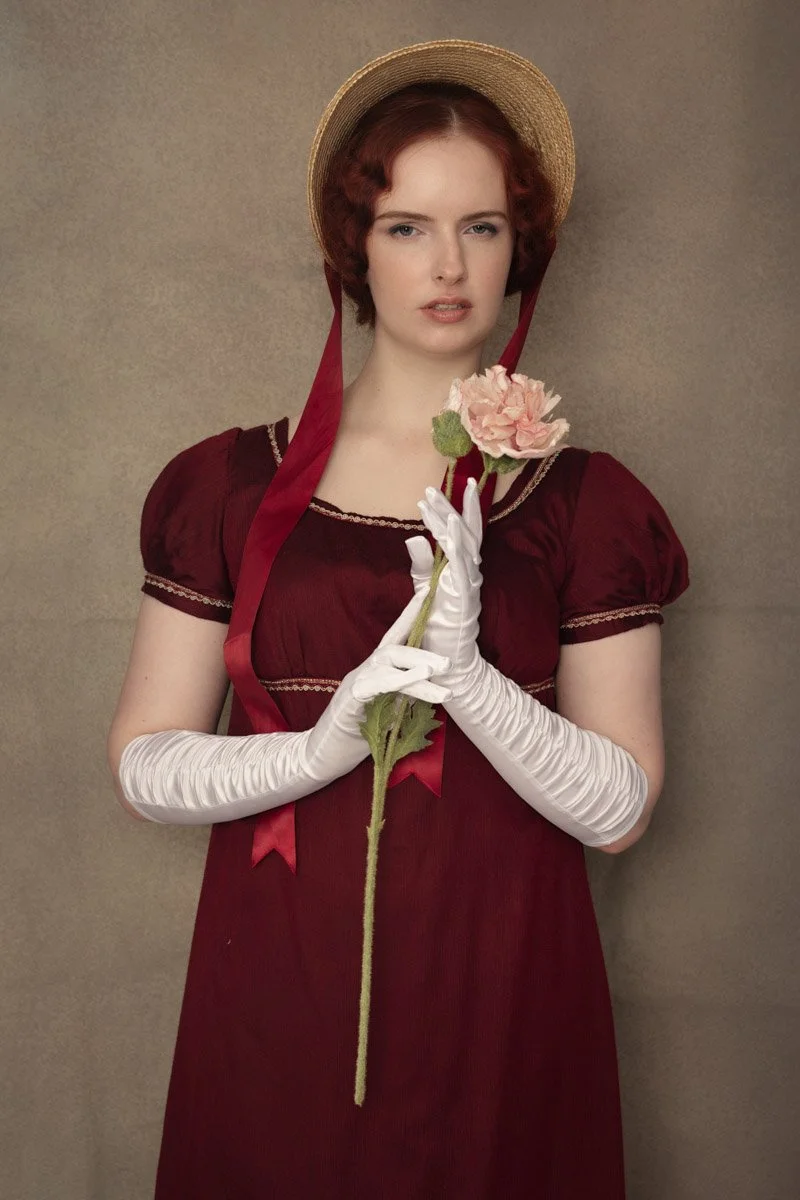
Regency Portrait
I consider the mood, message, and aesthetic I want to convey and how to use light, composition, and other technical elements to achieve that vision. This stage often involves creating detailed sketches, mood boards, or shot lists to guide me during the photoshoot.
Finding the right location is vital, and while I'm dreaming big of hiring a stately home like Strawberry Hill House in Twickenham, my budget often doesn’t fit the vision. Usually, I would shoot outdoors or in a studio, bringing my own painted backdrops to create something unique.
The Photoshoot:
I embark on the photoshoot with a clear concept in mind. This is where the magic happens—the moment when the vision in my mind begins to take shape in reality. I often work with a small team, usually a makeup artist and a model. Attention to detail is vital, from the lens and lighting setup to the direction given to the model. I strive to create an atmosphere on set that allows for creativity, spontaneity, and collaboration. We always start the day on a high note, as everyone is quite excited by the vision I have brought together. The atmosphere in the studio is lively, and everyone takes videos to create stories for Instagram or behind-the-scenes content. We work hard, and during the shoot, the makeup artist is always close to the model for minor touch-ups. The model often moves in her heavy frocks between poses, while the makeup artist and hairstylist spend over an hour grooming her for the vision I had in mind.
I love working with a team; my artwork would only exist with them.
Post-Production and Editing:
After the photoshoot, the real work begins in post-production. This is where I select the best images from the shoot and begin editing. I use digital tools to refine the composition, adjust the colour and contrast, and enhance the overall mood of the image. My goal is not to alter reality but to highlight the essence of the captured moment. I often spend hours or days perfecting a single image, ensuring every detail aligns with my artistic vision. It is my most minor favourite process. I hate spending hours in front of a computer. I'm an artist, not a Photoshop whizz, and I get as much of my vision as possible in a camera. One day, I will have the funds to pay a digital artist to elaborate on my artistic vision.
Printing and Presentation:
The final step in my creative process is printing and presenting the work. As a Fine Art photographer, I am meticulous about the quality of my prints. I work closely with professional printing labs to ensure the colours, tones, and textures are true to my vision. The choice of paper, ink, and framing all play a role in the final presentation of the piece. When the finished print is in my hands, it's a moment of both satisfaction and reflection, a tangible manifestation of the journey from concept to creation.
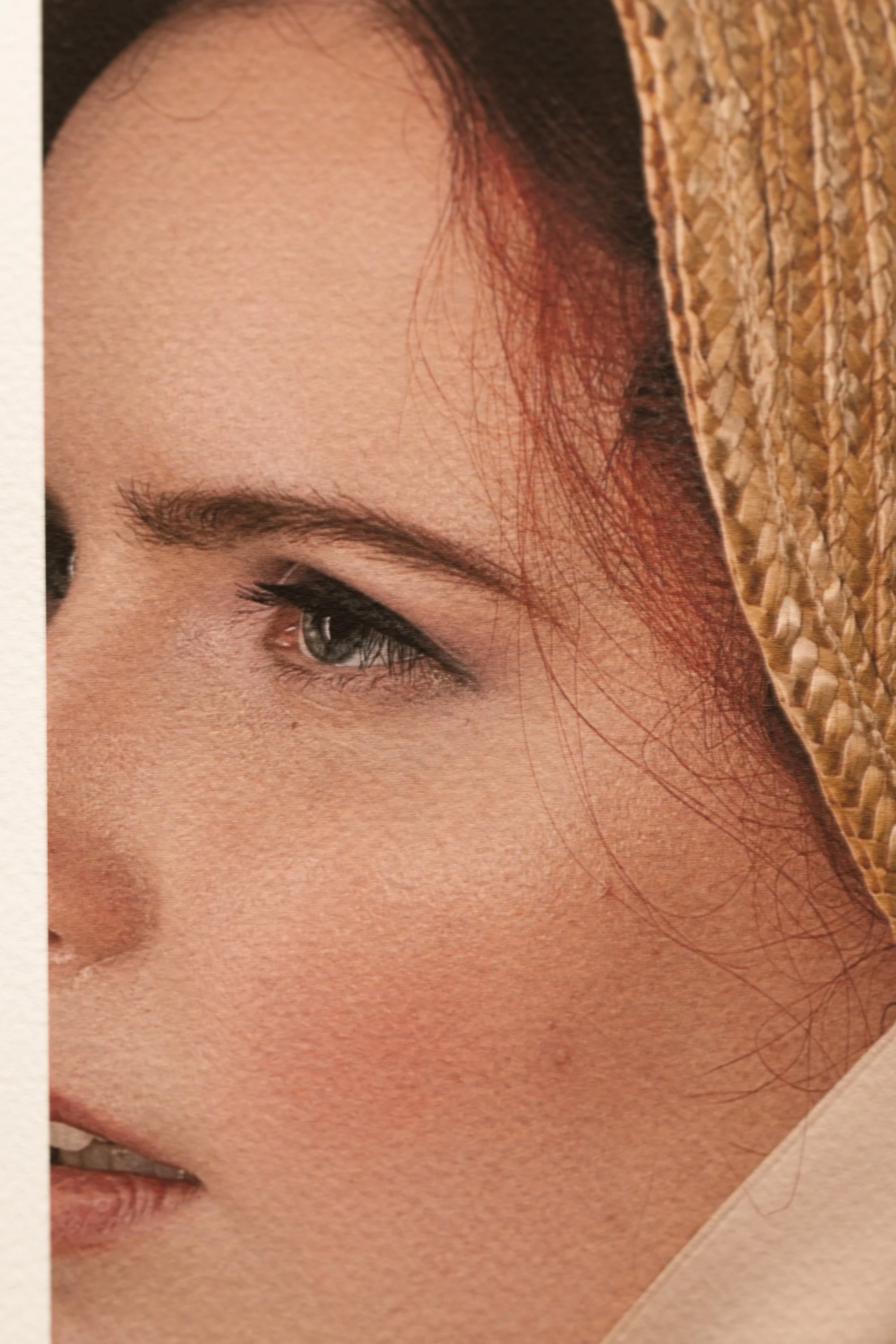
test print on canson aquarelle paper
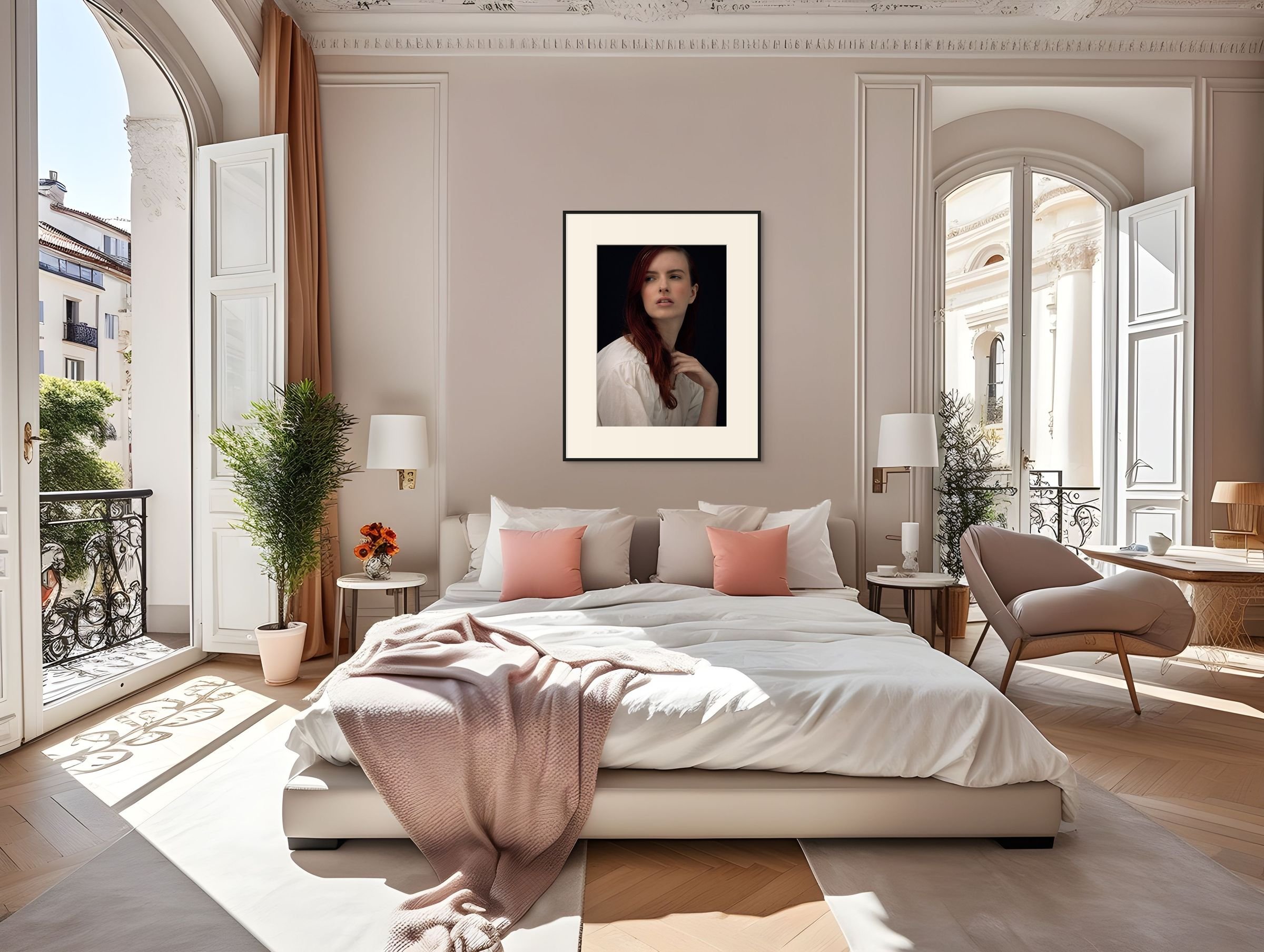
Portrait wall art
My creative process is a deeply personal and ever-evolving journey. Each project presents new challenges, insights, and opportunities for growth. By sharing a glimpse into my artistic process, I hope to inspire you to embrace your unique journey and find joy in bringing your ideas to life. Remember, the magic lies not just in the final product but in the process—the exploration, the experimentation, and the courage to bring your vision to the world.
Do you have more questions about my creative process? Share in the comments.
