
How switching from a zoom to a fixed lens will help your photography
This week, I’m giving you a break from travel to focus on challenging yourself with a camera and using a prime lens instead of a zoom lens. And before you say anything. I have been guilty of sticking to my Sigma 24-105mm Art lens for too many years for all types of photography, from travel to portraits.
I love using that lens because it is incredibly versatile, especially when shooting on-location photoshoots with clients where I need to think on my feet and adjust quickly to the next pose.
However, I also noticed how lazy I was becoming with a zoom lens, not adjusting my perspective, just zooming in and out. And we all know that photography is about using your feet and changing perspective, but I must admit that it is easy to get stuck in a rut. This summer, I decided to challenge myself even more by switching to a 35mm lens. In this post I will share how using a fixed lens will help your photography and be more intentional as a photographer.
Why a 35mm?
35mm is the cinematic lens par excellence, and that is what I strive for in my photography. 35mm has been the focal length used for filmmaking. It is close to the human eye, which has a focal length of approximately 45mm. It also allows for a wider view of the environment you are trying to photograph.
It was the lens used by humanist photographers like Doisneau and Cartier-Bresson, and it is often referred to as the humanist lens. Using this length has been a true challenge for me because, as a portrait photographer, I mainly focus on using a 50mm and an 85mm.
However, my portraits were lacking something that I couldn’t quite put my finger on. I know how to make a face look beautiful on camera, but I didn’t know how to tell a story with a portrait. For a long time, I took pride in making my subjects feel very comfortable on camera, even when photographing them closely. I managed to develop a beautiful connection with my viewer. But my photos just became another beautiful portrait among a million others.
As photographers, we stand out by telling stories, and that is what I strive for. I want to challenge myself by creating portraits that convey more than just a beautiful image.
What helps me do that is photographing stories unfolding in front of me during my travels and shooting more conceptual portraits, walking away from my subjects and capturing surroundings that say something about them. These are all the reasons why I chose to photograph with a 35 mm this summer.
Learning to see with a 35mm
Using a fixed lens
The first thing you will notice is that you have to move with your feet. You will have to walk forward, backwards, get closer, crouch down or circle to find the best perspective for your images. And this, my friend, will offer you new ways to see and photograph, leading to more dynamic and engaging compositions. After spending time with a single focal length, you begin to pre-visualise scenes in that specific field of view. Walking down a street, you’ll instinctively know what will and won’t work before even raising the camera to your eye, anticipating the scene before you, and pressing the shutter.
Overcoming frustration
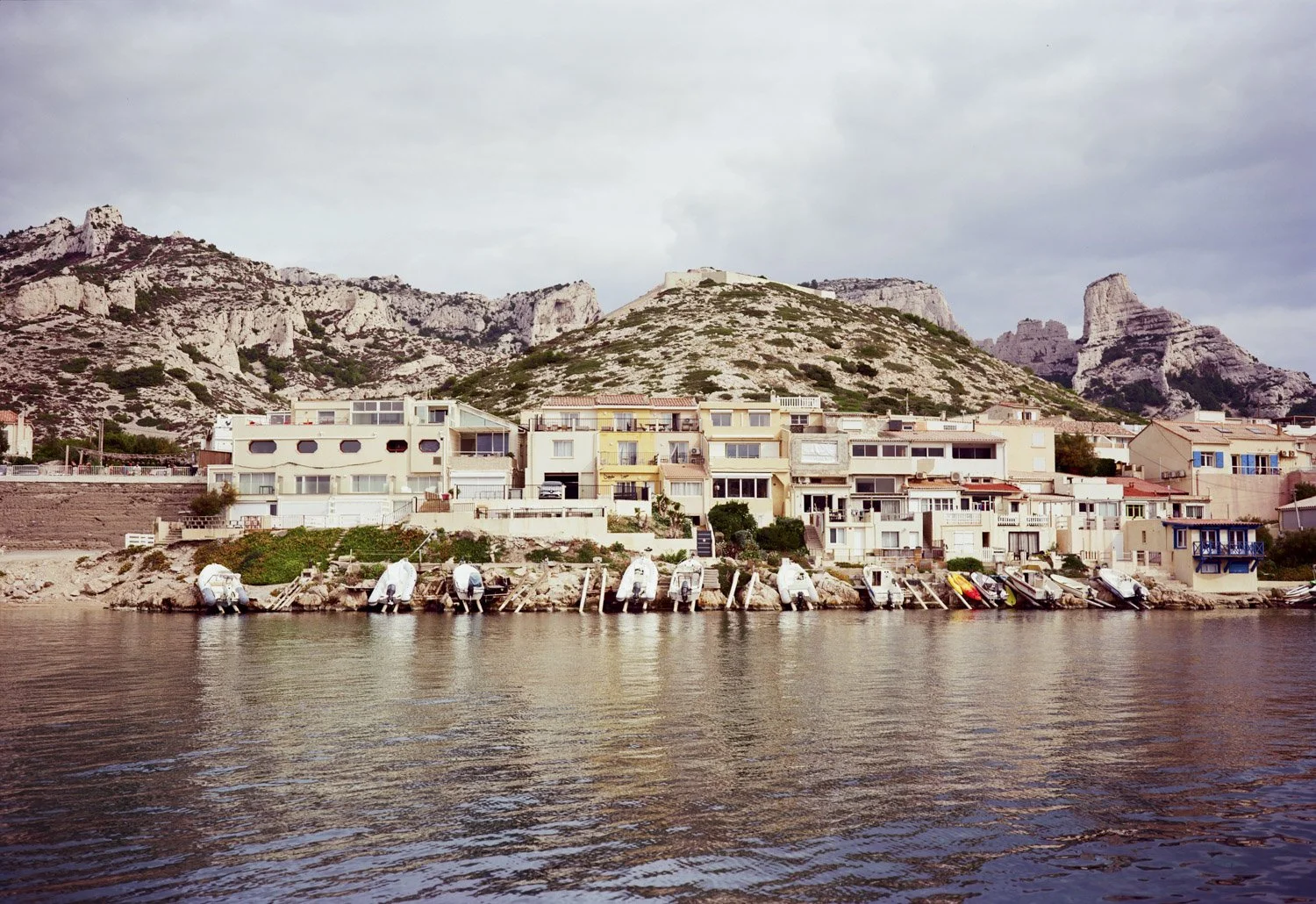
The first time I took my 35mm out of the street was while shooting in the Panier district in Marseille, and I felt the frustration of being too close to the scene I wanted to photograph. I experimented with the angle to frame the scene. I wanted it to work, but it didn't always, which made me question my choice.
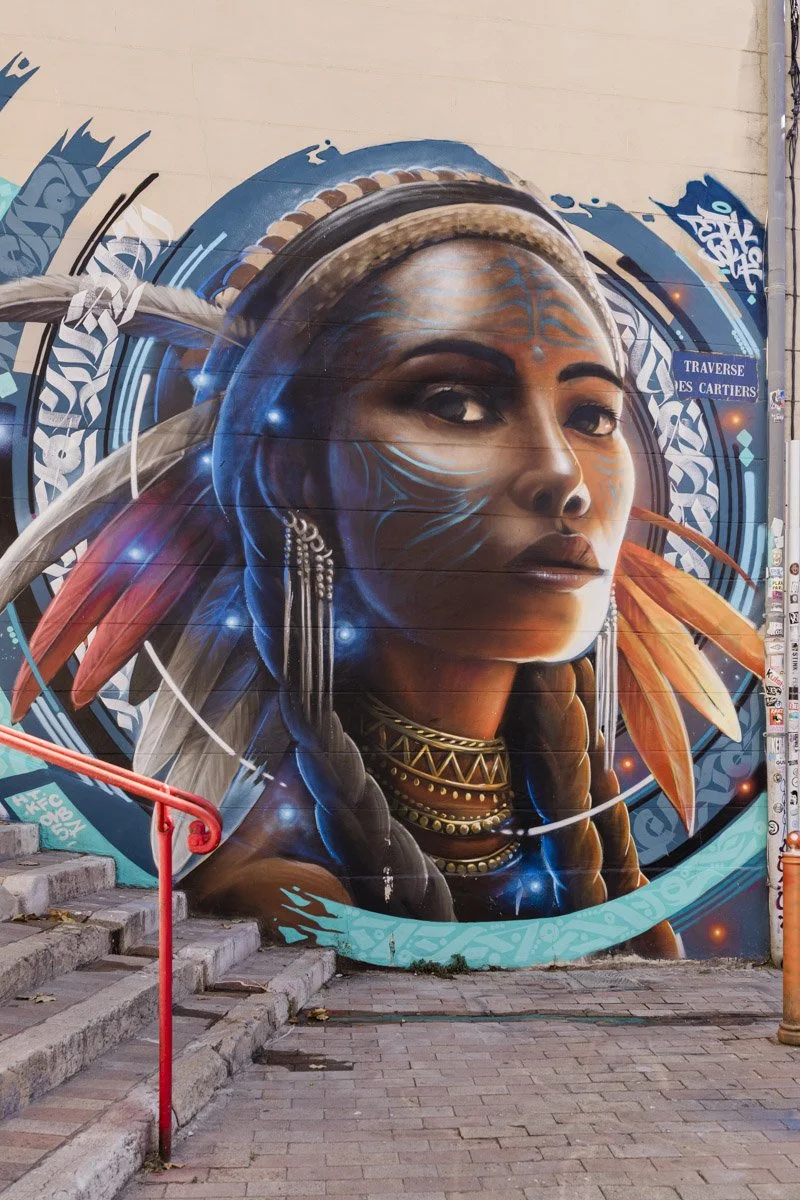
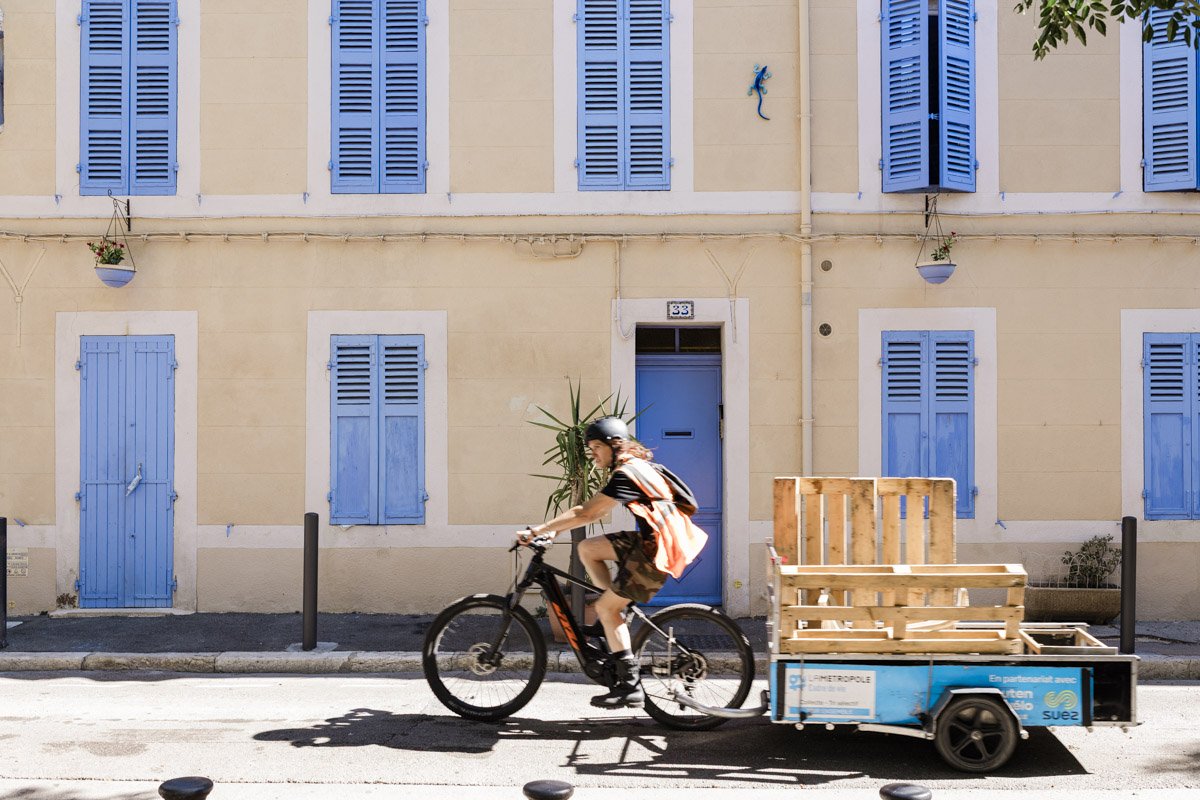
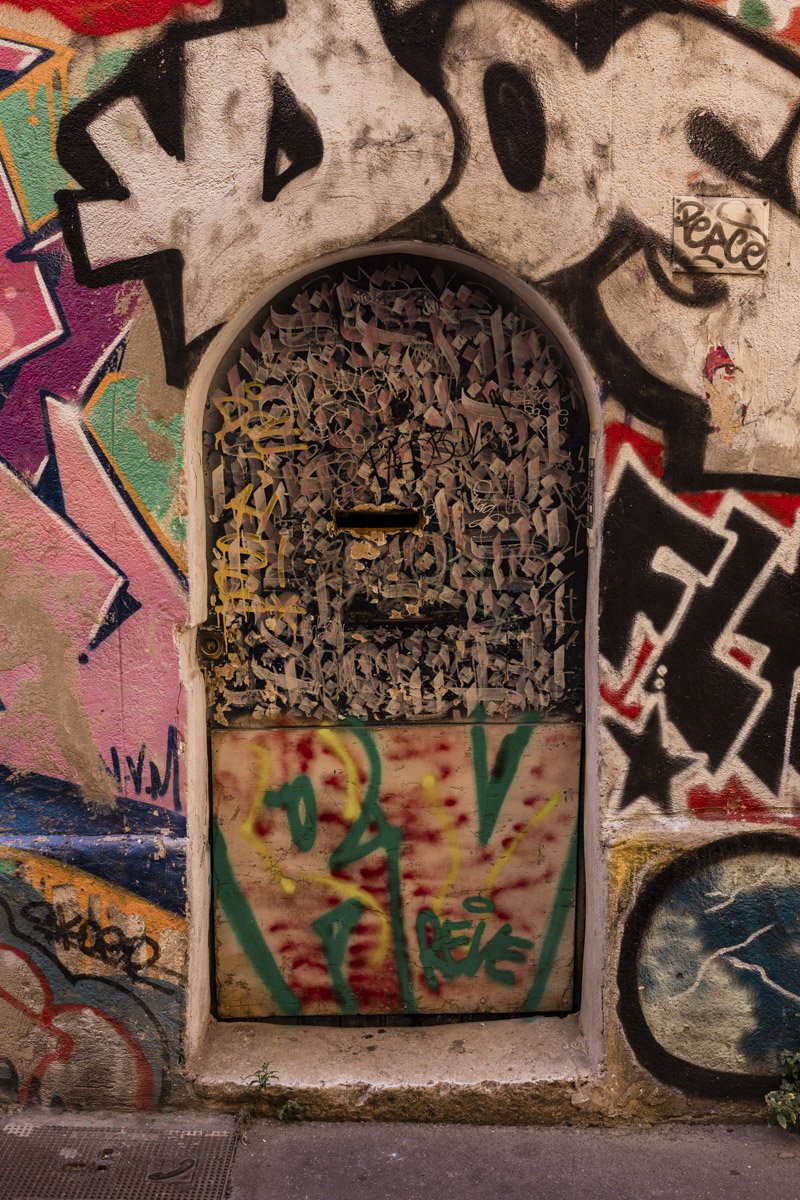
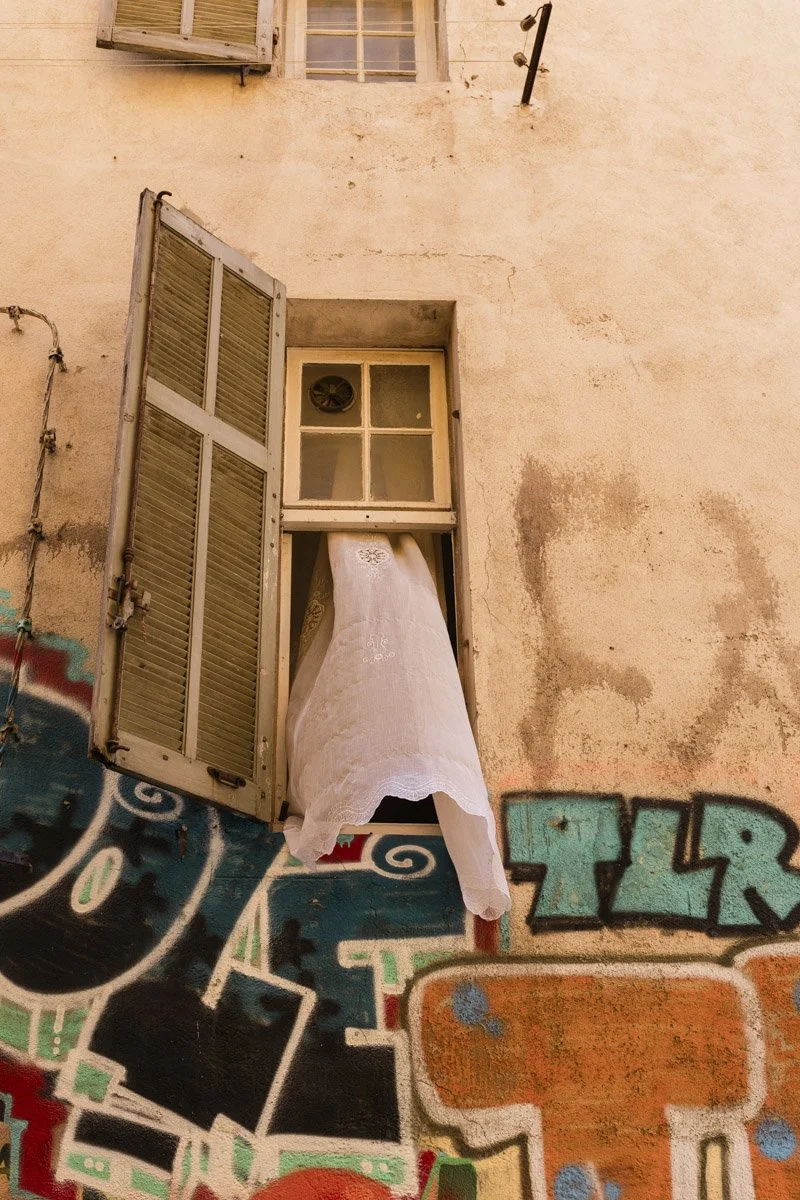
While in San Sebastian, I was so absorbed in capturing the surfers and getting as close as possible that I managed to get my Converse soaked by a wave while walking too close to the sea on Zurriola Beach. It can feel quite frustrating at first, especially when I was trying to catch the surfers riding the waves. I realised that I didn’t have the right lens for that, but it didn’t matter. I tried to get as close as possible and shot in landscape format to give my images a sense of story and a cinematic feel.
What you have to be aware of - Shooting Portrait
When shooting a portrait, move away from your subject and be mindful of your angle. As with a 35mm, the head of your subject can appear too prominent. Once you are aware of that, you can use your feet and keep the camera straight to correct the distortion. Of course, you could always use the distortion shooting from below to make your subject’s leg look longer, but this is not my point here. Don’t get too close to your subject’s face, and you will do ok.
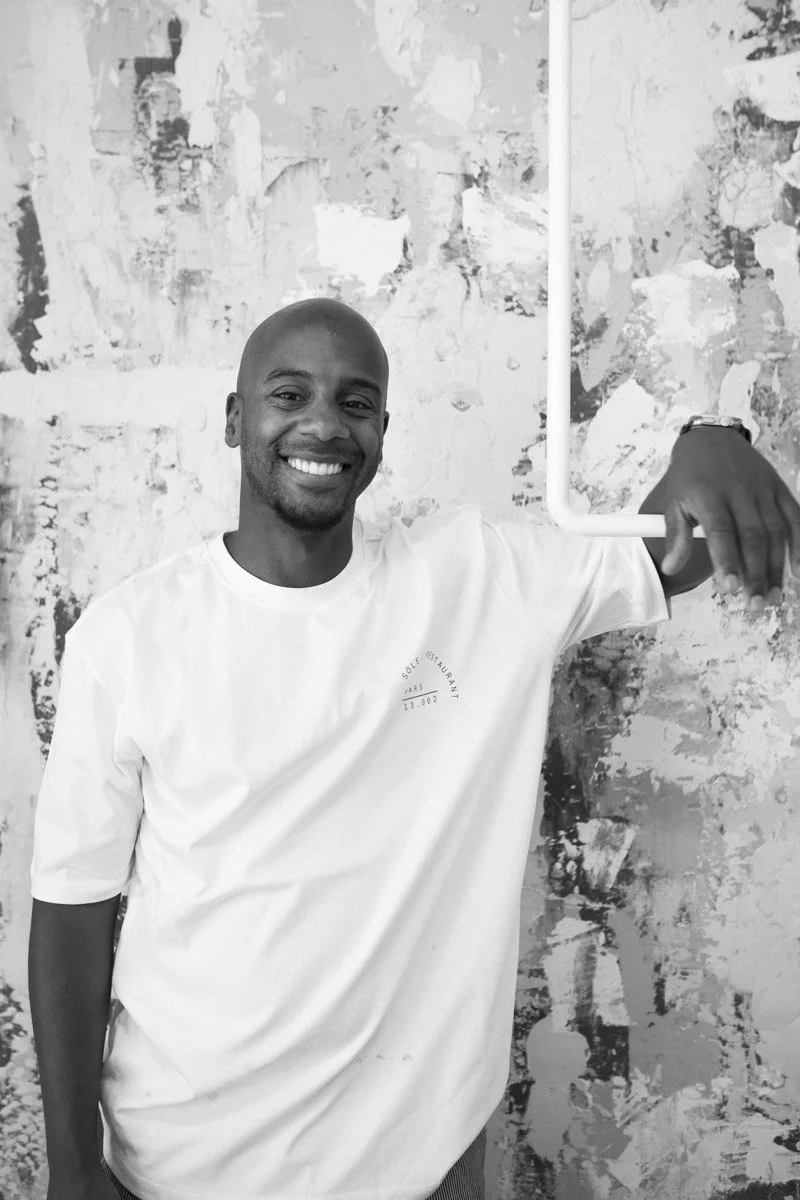
I had some fantastic results shooting portraits on the streets of Marseille, which really opened my perspective and gave me a different view of shooting portraits. By stepping back, I felt less intrusive. It was also more reassuring to my subject to have a small lens screwed on my camera, making it less intimidating.
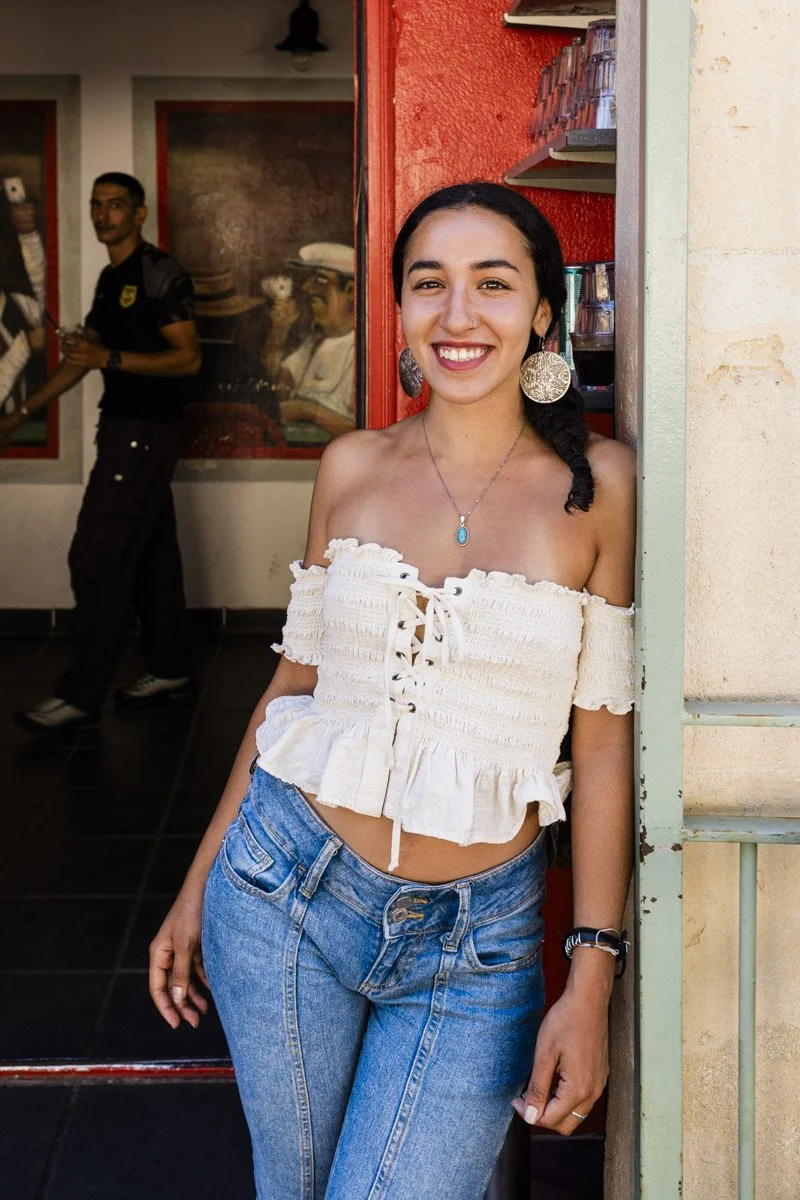
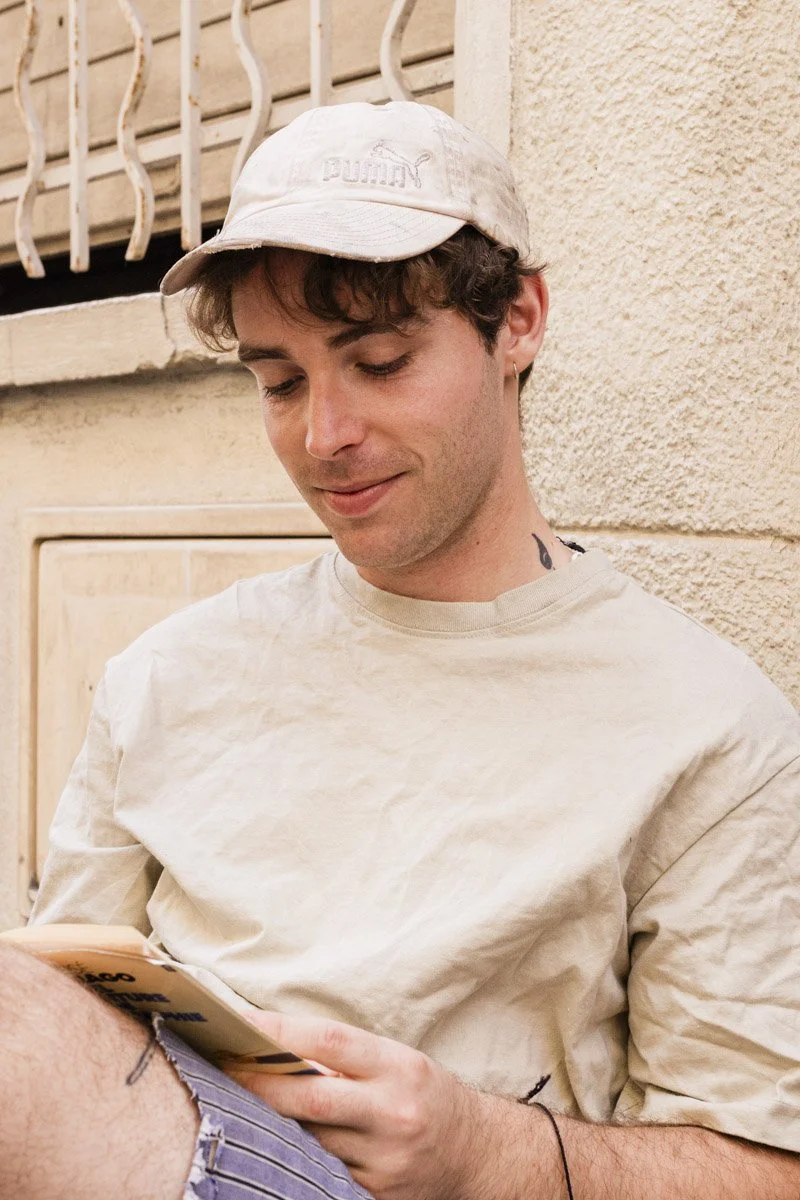
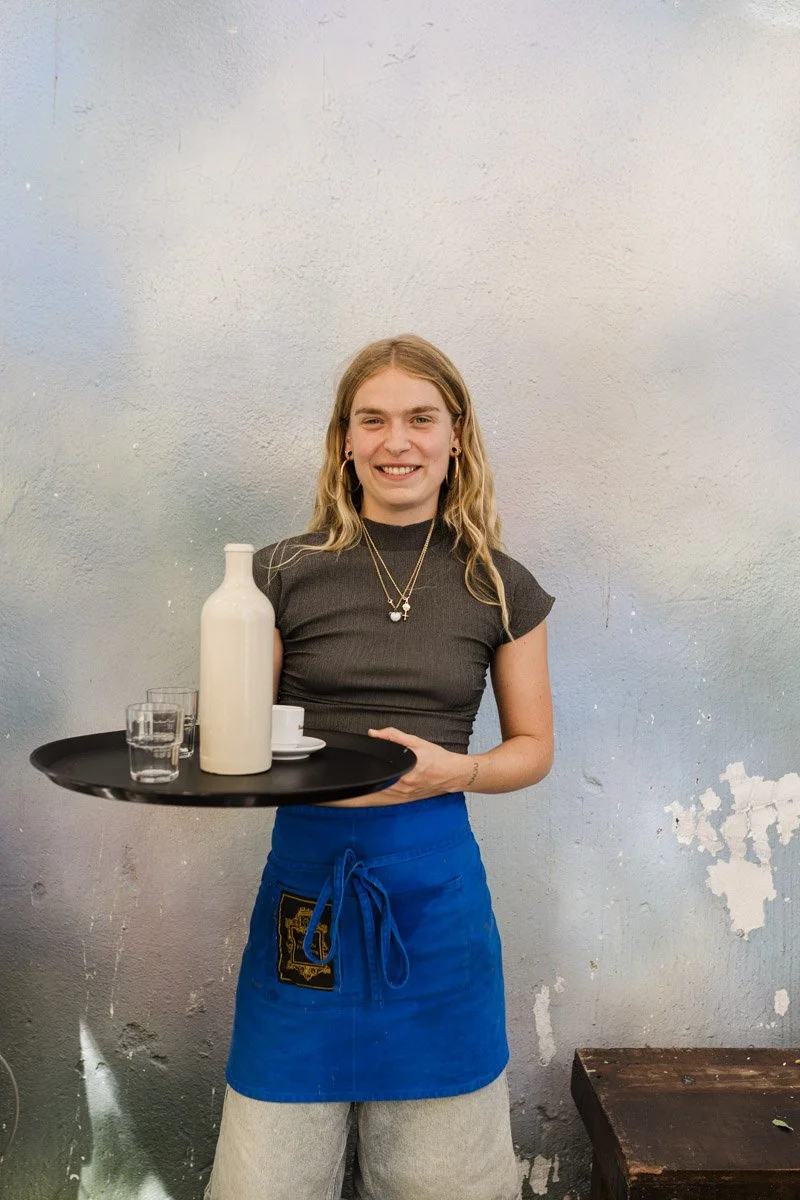
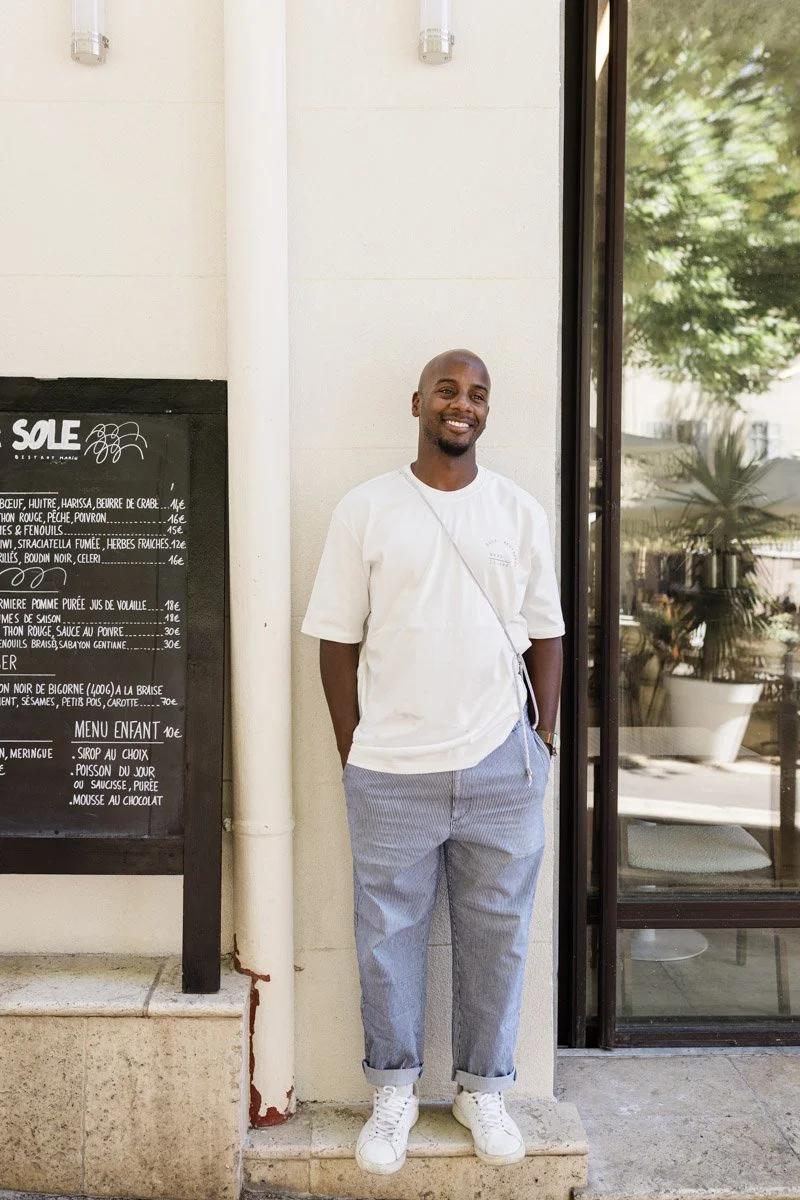
The Storytellers’ Lens
With a 35 mm, so much more is happening in your frame; you will have to think about composition and what you want to include in your viewfinder. The 35mm is wide enough to capture the context of what’s happening on the street or a beach, but you are still the storyteller and can choose what to incorporate or not. Instead of chasing everything you see, you will become much more selective, thinking twice before capturing a scene and with intention. Every shot requires deliberate positioning. You’ll find yourself asking: “How can I make this composition work?” rather than simply zooming until it looks right.
Practical Tips for the Challenge
Start with a time limit. Choose a fixed lens like a 35mm for a specific period, perhaps a week of street photography or a weekend at the beach.
Embrace the “wrong” situations. When you encounter a scene that would typically call for a different focal length, don’t walk away. Challenge yourself to make it work at 35mm, just as I did when photographing surfers.
Focus on layers. Use the natural depth that 35mm provides to create compositions with distinct foreground, middle ground, and background elements.
Get comfortable being uncomfortable. Some shots won’t work at 35mm, and that’s okay. The exercise is about growth, not capturing every possible image. That will also teach you to be more intentional, more selective and accept that you will not get everything right.
The Unexpected Benefits
What can you expect from this challenge, then? My idea when using a fixed lens was to become more intentional, learn to see without looking at the camera, be more present and observant, and take time to study scenes before shooting.
The constraint pushes us out of our comfort zone, requiring you to think more creatively in the process, as we’re forced to find new solutions to visual problems.
Will I continue to photograph with the 35mm? Of course, I will. I love how my perspective on travel photography has evolved and how I’ve managed to incorporate the environment into a portrait, thereby telling the story of the person I'm photographing.
Although I’m not ready to switch to a fixed lens in a quick shooting situation, such as an on-location photoshoot in London or elsewhere, I would definitely love to try to create a cinematic-inspired story, but that will be for another challenge.
The goal isn’t to limit yourself permanently, but to expand your creative toolkit by working within thoughtful constraints. You might be surprised by what you discover when you stop zooming and start truly seeing.
Have you tried shooting with a fixed focal length? Share your experiences and favourite 35mm shots in the comments below.
