Artemisia Gentileschi: The Ultimate Rebel How She Influenced My Artwork as an Artist
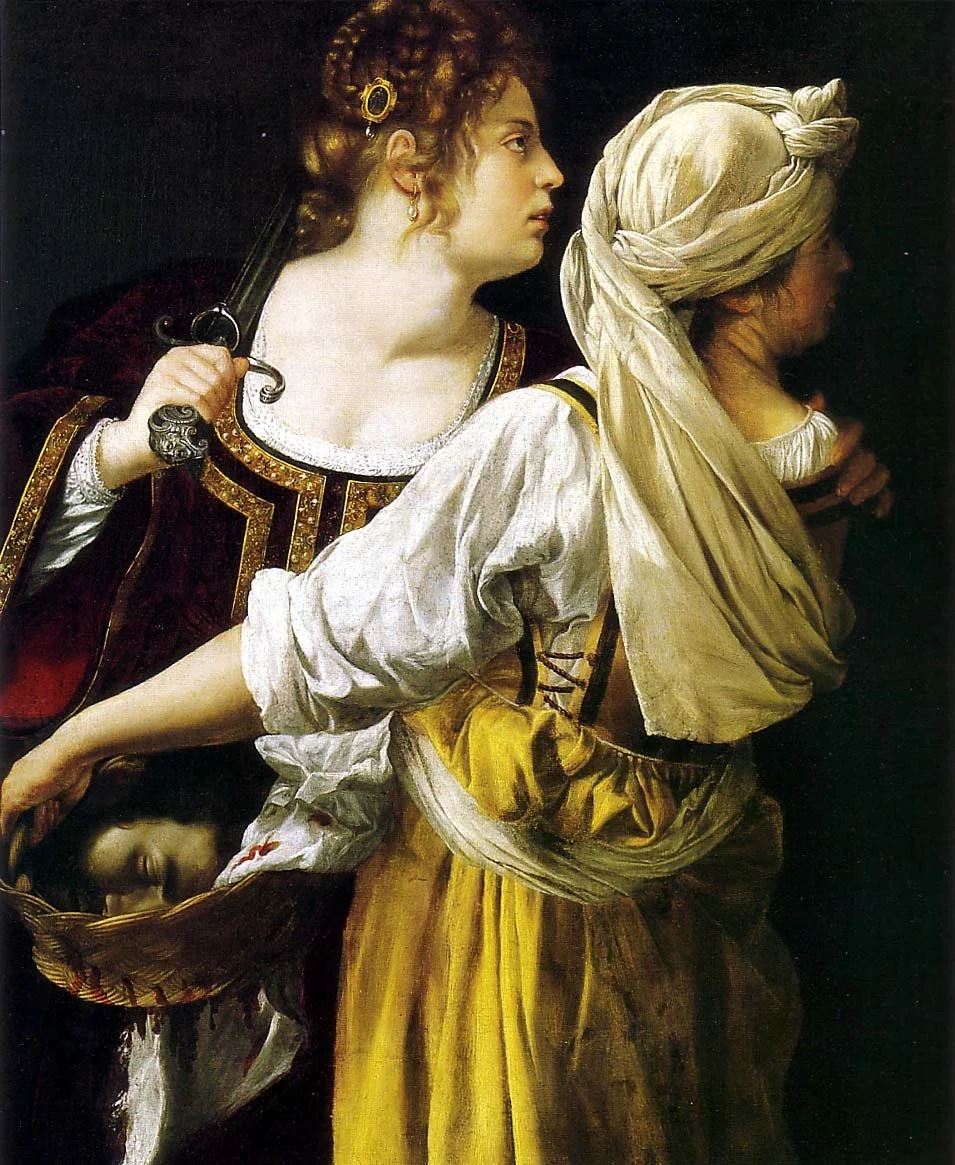
Artemisia Gentilieschi painting of Judith Slaying Holofernes
My love affair with Artemisia started a long time ago. In the late 80s, I read a biography by Alexandra Lapierre and saw a movie about her life in the 90s. Artemisia fascinated me because she was a trailblazer. Here was a woman, a fully fledged artist during the Renaissance in Italy. At a time when women had very few roles in society. Her work has greatly influenced my voice as an artist. I’m sharing how Artemisia’s view on art shaped my fine art series, Women in Quiet Rebellion.
A few years ago, I went to see Artemisia's artwork in an exhibition at the National Gallery in London. Jonathan Jones wrote an article about her exhibition. He described her paintings, "More Savage than Caravaggio: The Woman Who Took Revenge in Oil."
I'll dive into her early years and artistic training, examine her groundbreaking depictions of women, and explore her life and legacy as a feminist icon. Finally, I'll look at how Artemisia's art continues to inspire feminist artists and activists today. Artemisia Gentileschi was truly the ultimate rebel, and her story is one that we women can all learn from as we strive to create change in the world around us.
Artemisia Gentileschi's Early Life and Artistic Training
To understand Artemisia Gentileschi's revolutionary paintings, it's important first to explore her early life and artistic training. Born in Rome in 1593, Artemisia was raised in a family of painters, with her father, Orazio, being her first teacher. However, her training was cut short when she was raped by a fellow artist, Agostino Tassi, at 17. The subsequent trial was traumatic and publicly humiliating.
This experience has deeply traumatised Artemisia. It also shaped how she shows female heroes. Artemisia’s art helped her express deep emotions. Her struggles became strong paintings. They gave a voice to oppressed women. Artemisia was both an artist and a businesswoman. She ran a workshop and had painters working for her. I have always been attracted to women who made the exception because I wanted to be one of them. Trailing a road less travelled, I was far less brave than any of them.
Despite the obstacles she faced as a woman in the male-dominated art world, Artemisia gained recognition for her striking, unconventional paintings, which often depicted heroic women from history and mythology. Her female figures were unapologetically strong, breaking away from the traditional portrayal of women as passive and ornamental. Through her art, Artemisia challenged societal norms and advocated for women's agency, making her a key figure in feminist art history. In the next section, we'll explore Artemisia's unique style and groundbreaking depictions of women in more detail.
Artemisia's Unique Style and Depictions of Women
Artemisia Gentileschi's paintings are characterised by her unique style and depiction of women. Her use of bold colours, dramatic lighting, and attention to detail created a sense of realism and emotion in her works. Artemisia's painting style was influenced by the Caravaggisti, a group of artists inspired by the work of Baroque artist Caravaggio. However, Artemisia's paintings stood out for their portrayal of women as strong and independent figures.
Her most famous painting, Judith Slaying Holofernes, features the biblical heroine Judith cutting off the head of a tyrannical general. The painting is known for its gruesome depiction of violence and for portraying Judith as an active participant in her own story. In contrast to the traditional portrayal of women as passive and submissive, Artemisia's Judith is brave and heroic, taking matters into her own hands.
In her painting Susanna and the Elders, Artemisia depicts the biblical story of Susanna, a beautiful woman spied on by two elders while bathing. In the traditional portrayal of this story, Susanna is portrayed as a temptress and punished for the elders' lustful desires. However, in Artemisia's painting, Susanna is portrayed as a victim of sexual harassment and the elders are shown as predatory and aggressive.
Artemisia's paintings challenged the societal norms of her time and advocated for women's agency. Her depictions of strong, independent women reflected her experiences as a woman in the male-dominated art world. Artemisia's legacy as a feminist icon continues to inspire and influence artists today. In the next section, we'll explore Artemisia's life and legacy as a feminist icon.
What I love about her work is the drama and theatrical inspiration. Everything seems so obvious in the paintings, although there is room to make your own story. Her most striking portrait, "Judith Beheading Holofernes," is intense and unflinching. Judith stands firm, her determination clear. She and her maid work together to behead Holofernes.
This painting shows violence and rage in a quiet way. The women seemed completely unfazed. She was clearly inspired by theatre and drama and found a way to express anger through her paintings. This painting may show her desire for revenge against Agostino Tassi. It reflects the pain she faced while trying to prove her innocence.
Her work is loud and dramatic; she was using bold primary colours and costly pigments. Her business drew generous patrons who commissioned her to create artwork. She often modelled herself in these pieces. Some of these have been repainted to suit viewers' modesty.
I love watching Artemisia’s work, so I’ll keep going to every exhibition that shows it. She has gained a lot of momentum recently after years of being ignored. Her work deserves to be celebrated and discovered by a larger audience.
Artemisia's Life and Legacy as a Feminist Icon
Artemisia's paintings were not only revolutionary in their portrayal of women but also a reflection of her life experiences. As a survivor of sexual assault, Artemisia used her art as a form of empowerment and advocacy for women's rights. Her legacy as a feminist icon lives on through her paintings, which continue to inspire and influence artists today. In the next section, we'll explore the continuing relevance of Artemisia's art today and how she has paved the way for future generations of women in the art world.,
The Continuing Relevance of Artemisia's Art Today
Artemisia Gentileschi's art has stood the test of time and remains relevant today. Her paintings challenge traditional gender roles and norms, presenting influential female figures in positions of strength rather than submission. In a world where women's voices are still often suppressed, Artemisia's art serves as a reminder of the importance of women's stories and perspectives.
Moreover, Artemisia's use of light and shadow to create dramatic and emotional scenes continues to captivate viewers today. Her ability to portray the human experience in all its complexity, from the pain of trauma to the joy of triumph, is a skill many contemporary artists strive to emulate.
Additionally, Artemisia's legacy as a survivor and advocate for women's rights is just as important now as it was in her lifetime. Her willingness to speak out against her attacker and seek justice, despite the societal stigma surrounding sexual assault, inspires women today who are fighting for their rights and bodily autonomy.
Artemisia Gentileschi's art and life inspire and influence artists and feminists today. Her courage and determination in the face of adversity serve as a reminder that women's voices and experiences are valid and should be heard.
How she has influenced my work
The "Women in Quiet Rebellion Photographic Series" was inspired by the Renaissance paintings that captivated me – especially the story of Artemisia Gentileschi, who defied the odds to become an artist in a society where women were rarely heard. Historically, women were confined to the domestic sphere, with little power beyond supporting their families and raising children. But Artemisia was determined to break the rules – and I'm so happy that she fought for her place in history to share her talent with us.
Artemisia Gentileschi's artwork conveys powerful feelings of anger, rage, and revenge through her vivid depictions of scenes inspired by theatre and drama. By depicting her own story of rape, torture, and oppression at the hands of Agostino Tassi and more, Gentileschi's paintings become a mighty cry for justice and equality for all women. As Jonathan Jones wrote, "her paintings are more savage than Caravaggio" (National Portrait Gallery, London).
Though there is no direct parallel, the story of Artemisia Gentileschi speaks to many women seeking to be free and independent. Her passion and determination to stand up against oppression resonate deeply with me.
Artemisia Gentileschi dared to challenge the norms and stereotypes of her time, paving the way for feminist art and empowering women with every brushstroke. Her unique style and unwavering determination have made her a feminist icon, and her legacy continues to inspire artists and activists alike. As we reflect on Artemisia's life and work, let us remember the importance of pushing boundaries and believing in ourselves. Because, in the end, as Artemisia once said, "I will show your grace more than I tell of." Let us all strive to do the same.
Artemisia Gentileschi was truly an ultimate rebel, creating art that challenged the status quo and empowered women. Her legacy continues to inspire feminist artists and activists today. We can all learn from Artemisia's boldness and determination to create change in the world around us.
The first time I saw Artemisia's artwork in London I came out of the exhibition completely inspired. Artemisia’s work deeply resonated with me. It inspired me to make a fine art portrait series that honours women in history. I wanted to express my voice as an artist through a photography project.
I love Renaissance and Baroque paintings; why? Artemisia's art is bold, it's dramatic and theatrical. Artemisia is screaming her anger about being a woman in her paintings. Artemisia decided to be a rebel, she choose to go beyond what people expected of her.I'm glad that in the time when women were supposed to be seen and not heard, Artemisia fought for space where she could share her talent with us all!
As a photographer, I was drawn to how Artemisia's paintings showed her anger about being a woman. The way she portrayed her women heroes moved me and come alive but didn’t know what to do with it. Until I started my “The Women in Quiet Rebellion Art Series."
This project emerged in the realm of women who were supposed to be seen but not heard. Historically, women's roles had been limited to the domestic sphere. They were tasked to raising children and supporting their family! Women had little power until they became widows. When they did, they inherited their husband’s property and title. This inheritance gave them some authority in society at that time. Women were often seen as possessions, and their voices were silenced. Their true selves hidding under a mask of obedience. Rebellion hidden deep inside. My project reveals a hidden rebellion through various times, leading to strong defiance. Moving from being seen to being heard.
The Beginning: Renaissance
The Girl in the Golden Dress Portrait features shimmering fabrics and bold light and shadow. It shows a woman caught in a world of gilded cages. My subject stands ready, showing a desire to break the rules but unable to speak.
This project aims to give a voice to women who have been silenced in history. It connects their struggles and invites them to a space that shows their oppression. It highlights how they learned to resist the roles that society imposed on them in silence. They accepted their situations but felt pressure to conform. Their only way to escape was to rebel within. They moved things slowly, like a butterfly’s wings. This created a snowball effect throughout history. This project reflects the story of all these women who could not use their voices.
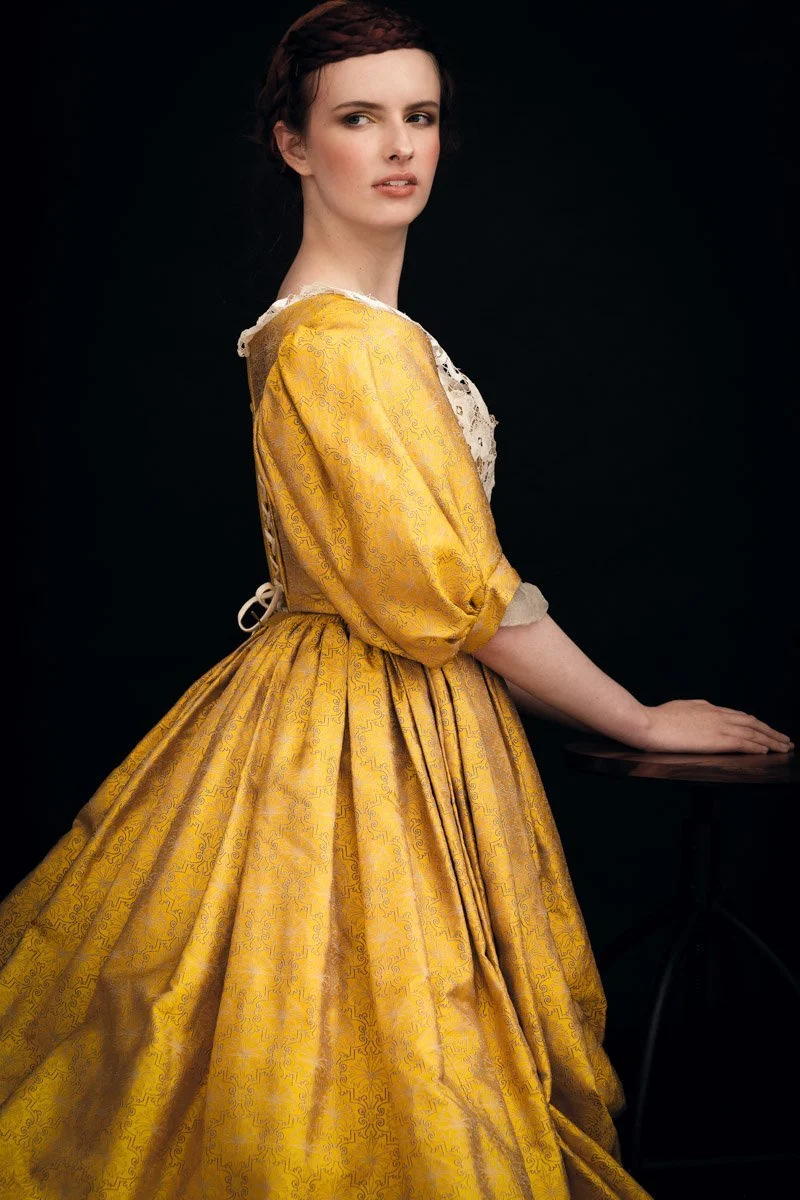
A woman in quiet rebellion - The girl with the golden dress
The Crescendo is moving on from the renaissance.
With the spirit of Jane Austen’s heroines, a flicker of defiance ignites. They want to escape societal expectations. Their determination grows behind polite smiles.
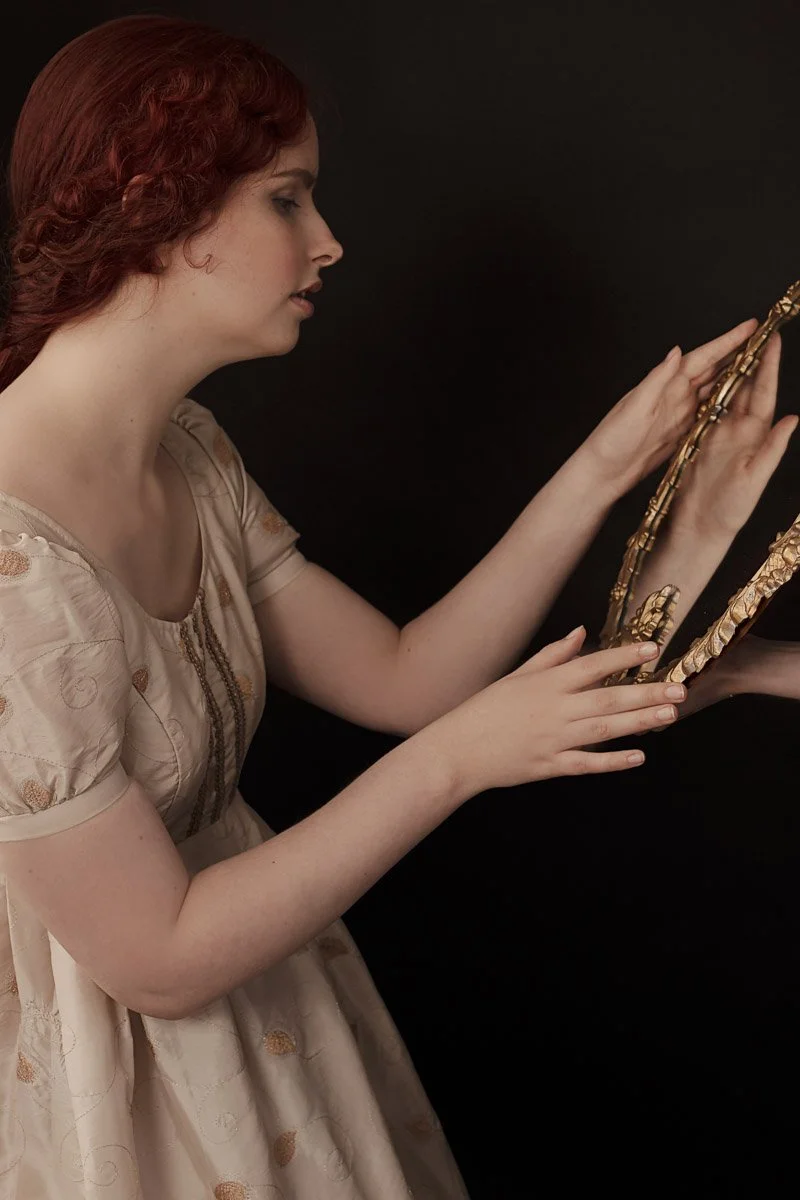
Self contemplatiion a portrait of a woman in quiet rebellion
Victorian: A shift. A silent rebellion that burns brighter. Think of Catherine Earnshaw and Tess d’Urberville. These women faced harsh societal judgment, yet they dared to forge their own paths.
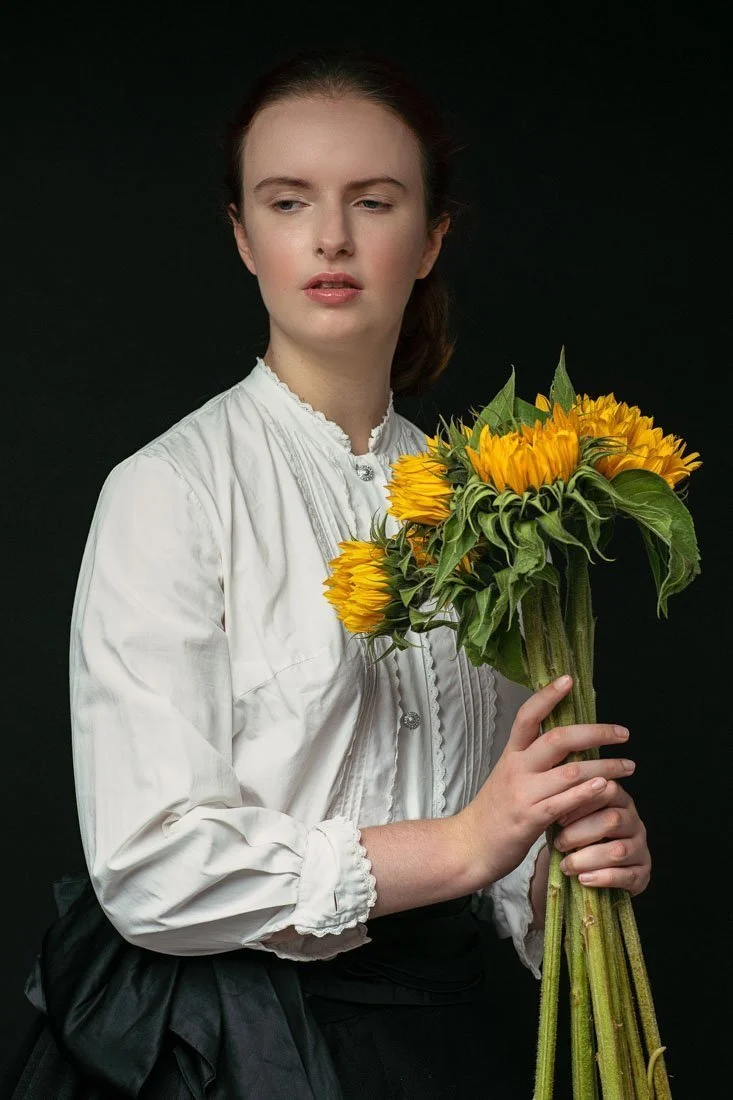
A Woman in Quiet Rebellion - portrait of a victorian school tacher
Edwardian: My heroine breaks free. Her attire reflects movement, a newfound freedom. She demands to have her voice heard, solidifying her stance.
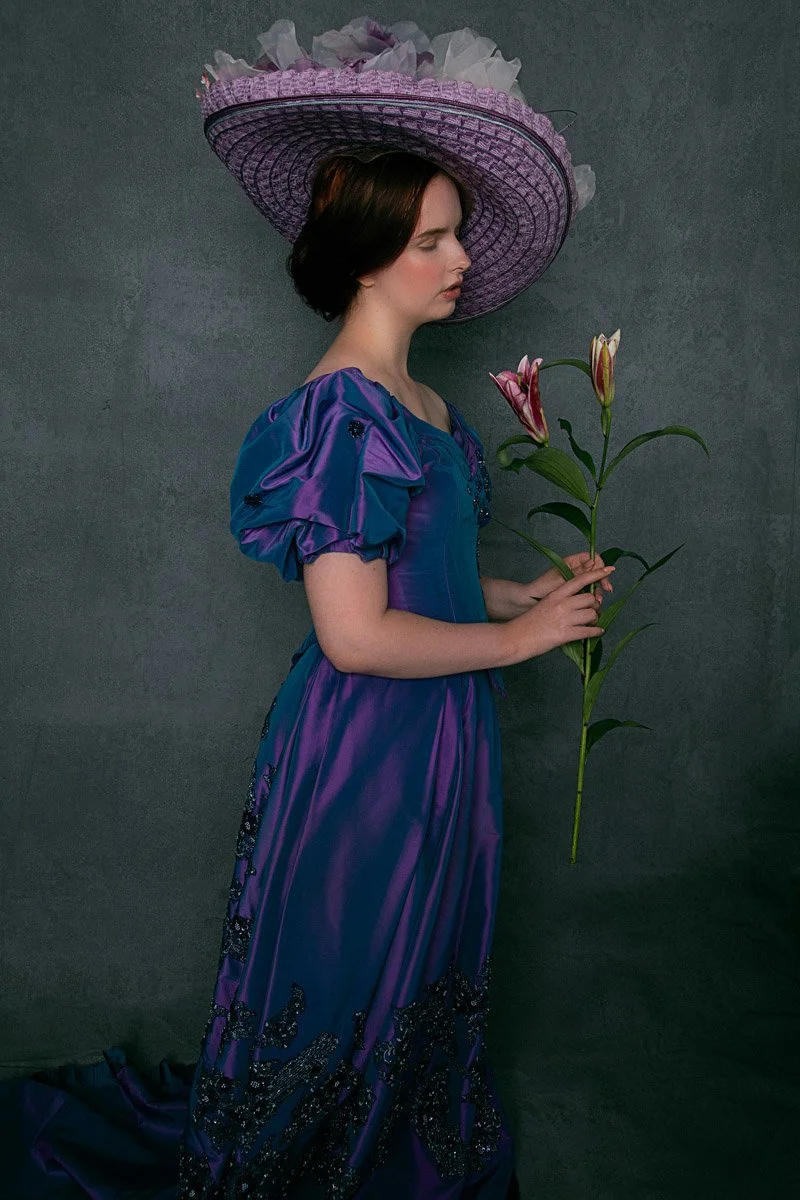
A woman in quiet rebellion portrait of an Edwardian suffragette
The 1920's are represented with an hommage to Isadora to Duncan th efree-spirited dancer who redefined what it meant to be a woman. People know her for her barefoot contemporary dancing and her choice of a Roman dress instead of a tutu. With each movement, she broke free from what society expected.
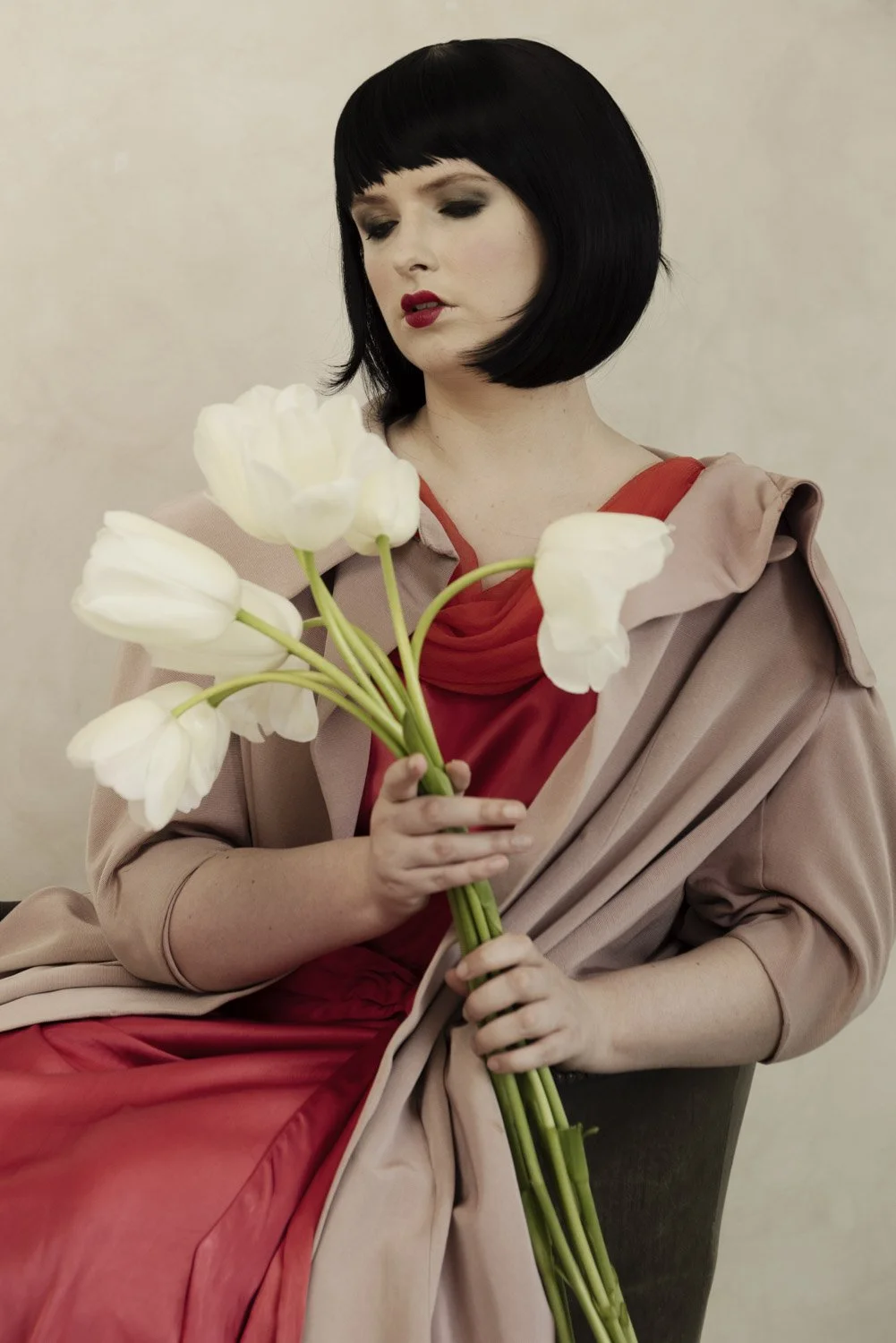
A woman in quiet rebellion - Homage portrait to Isadora Duncan