Can we pretend that using film makes us a better photographer
I'm sitting at my kitchen table thinking: what am I going to write about this week? Starting to feel the pressure about writing a weekly newsletter, Rachel? Yes, I do, but I want to keep writing and not miss my weekly rendez-vous with my readers. Let’s think for a moment.
Everything is quiet in the apartment. The washing machine hasn't started the spin cycle yet. It’s another day of grey out there. And then I remembered this specific post on film photography I commented on recently, and I had more to say about it.
The photographer asked if using analogue photography makes you a better photographer. And why do a lot of people think shooting film will make them a better photographer? Is that even the question? What do you think?
When I learned photography, film was the only way to do photography. I started with a bunch of plastic cameras and half negatives like a Kodak 110 and Agfa 126. These cameras were like using a phone camera. All you had to do was press the blue or orange button, and everything was done for you. Under the condition that you had enough light to expose the film. Even that concept I didn't fully understand. All I wanted, was take photographs.
Analogue photography was pretty limiting. Why? Because I didn't question any techniques in photography. I felt special because I finally got a 35mm camera, a Canon EF. Photography wasn't mainstream back then. I was happy to press the shutter and learn the f/16 sunny rule. This rule helps you expose film in a simple way. Cameras often didn't have a light meter, so you had to guess your exposure. I was the lazy one who didn't want to learn about the technique and happy to keep producing average photos.
It all changed when digital photography came along. At first, I resisted it; I was holding onto film like my life depended on it. Despite hearing film is dead, I didn't want to give it up. I seized the chance to buy medium format cameras while others were ditching them en masse. Watching the digital revolution take off made me realise that I was missing an opportutnity. This was my chance to learn what I've always wanted to learn about photography. Using lighting and being more creative. Because learning lighting with film didn't come to mind for a second!
I began using a digital camera in 2011. This helped me learn new skills and improve my photography style. I explored studio lighting and fine art photography. Using a digital camera was like learning a new skill.
I wasn't worried about using too much film; I could play with the camera. I developed my learning about understanding natural light and exploring studio lighting. The internet also saw a boom of photography tutors. At the time, CreativeLive launched a bunch of photographers who taught photography skills. I couldn't stop learning about portrait photography, lighting, travel, fine art, food photography, and styling shoots. The possibilities appeared to be endless all at once. And this was thanks to digital photography.
Did I give up film? Of course not, but I completely felt like an outsider when I was talking to other photographers who told me film? It's dead!
How lucky was I when I felt that I had to abandon film, a new movement called "Film is not Dead" came along. Here was a wedding photographer who was only shooting on film and whose images were magical. Jonathan Canlas was the drive behind the re-emergence of film. He not only promoted medium format film through workshops, but he also started a new film developping lab. These labs made it easier to develop and scan films. Other labs opened in Spain, the UK and Berlin.
This made it very easy to keep shooting film. I still love to shoot film when I travel and love the results. I also love to shoot portraits with my Hasselblad. You might wonder what’s the point is of shooting film when you have a digital camera at hand?
I love that young film directors are using 16mm film. Film has a magical quality. I guess they want their images to have that special je-ne-sais-quoi. Is it snobbish? I understand that the younger generation wants to try a medium that offers unpredictability.
There's a whole routine attached to working in analogue form. Taking photos on film requires you to slow down and consider each shot. You can’t snap a bunch of pictures on film even more so on medium format. Because you have a limited number of frames you can expose, you're going to think twice before you press the shutter. If a picture is not worth taking, then you won't. You have to be very thorough in preparing your images. Thinking about your exposure, it's best to use a light meter to ensure the results are spot on.
Once you've got your film, you need to send it to the lab and forget all about it. Then one day, you receive an email from the lab telling you your films are ready. How exciting! It feels like Christmas when I download the files and look through each roll. Sometimes, you might feel disappointed still learning the technical aspects of using film. I've been using film for a long time; still, things don’t always go as planned. Yet, more often than not, the results amaze me and make me want to shoot with film even more.
I have found the right balance between the two mediums. I'm not saying that using film will make you a better photographer because a bad photo is still a bad photo. Even if I tried for a bit, I'm still not shooting with film with artificial lighting. Every time I try, the results are way off. That's why fashion photographers took Polaroids to check their lighting before a photoshoot. Unfortunately, the way to use Polaroids this way doesn't exist any more.
Does film photography make you a better photographer then? Does it? It could make you a better photographer in the way that it will slow you down and make you learn about exposure. Understanding the basics of photography. So yes, it can make you a better photographer. But saying I shoot film is not the end of it. Using digital or film, you'll still have to learn about photography and lighting. With the aim to extend your skillset and creative possibilities.
The most important thing is to keep learning and enjoy the process, no matter what medium you pick. Remember, it's fine to use a digital camera. You’ll be on a great learning journey, so make the most of the tools you have.
Maybe with the advance of AI Image production film photography will have even more of a take on the younger generation. Who know but that’s for another discussion
Let me know in the comments what you think.
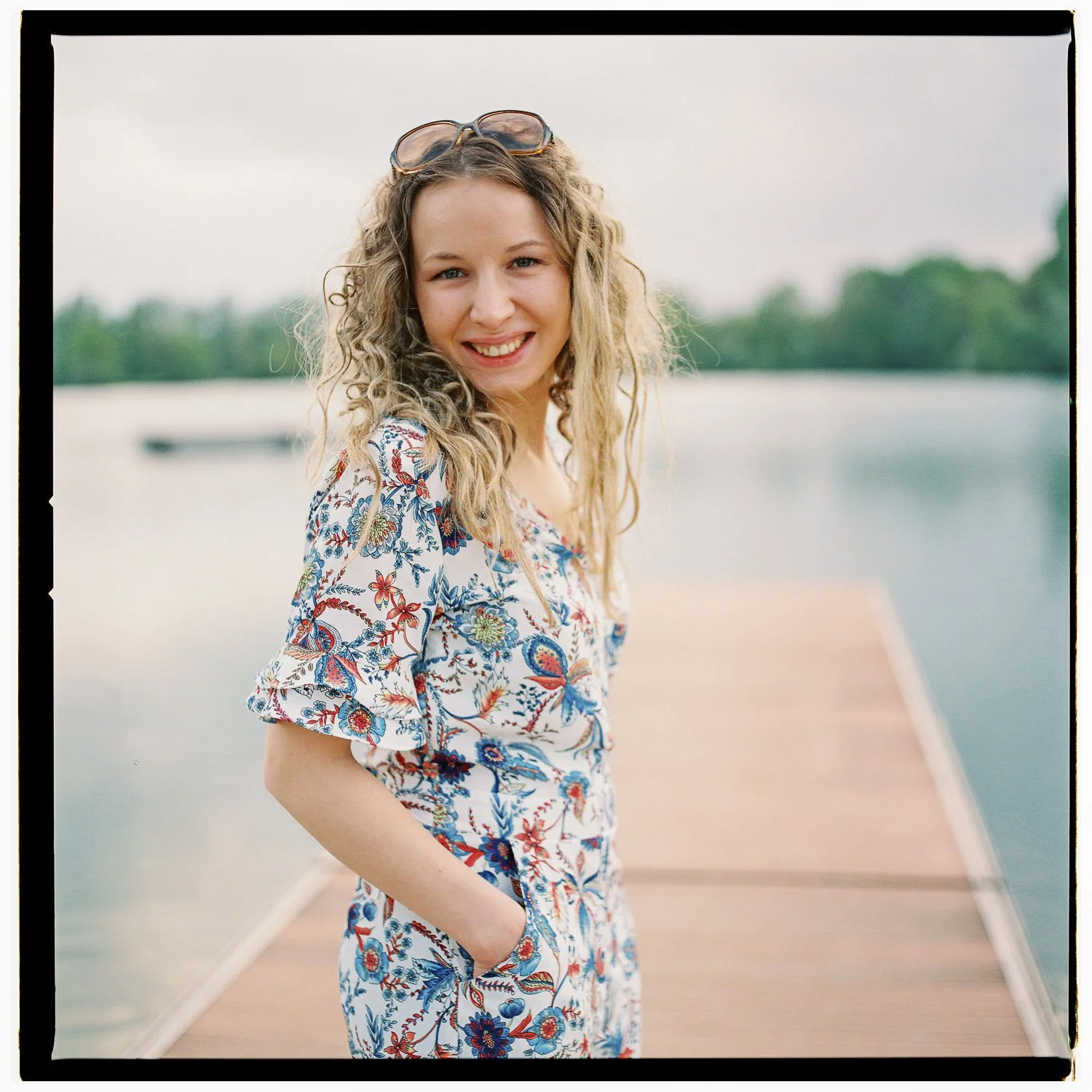
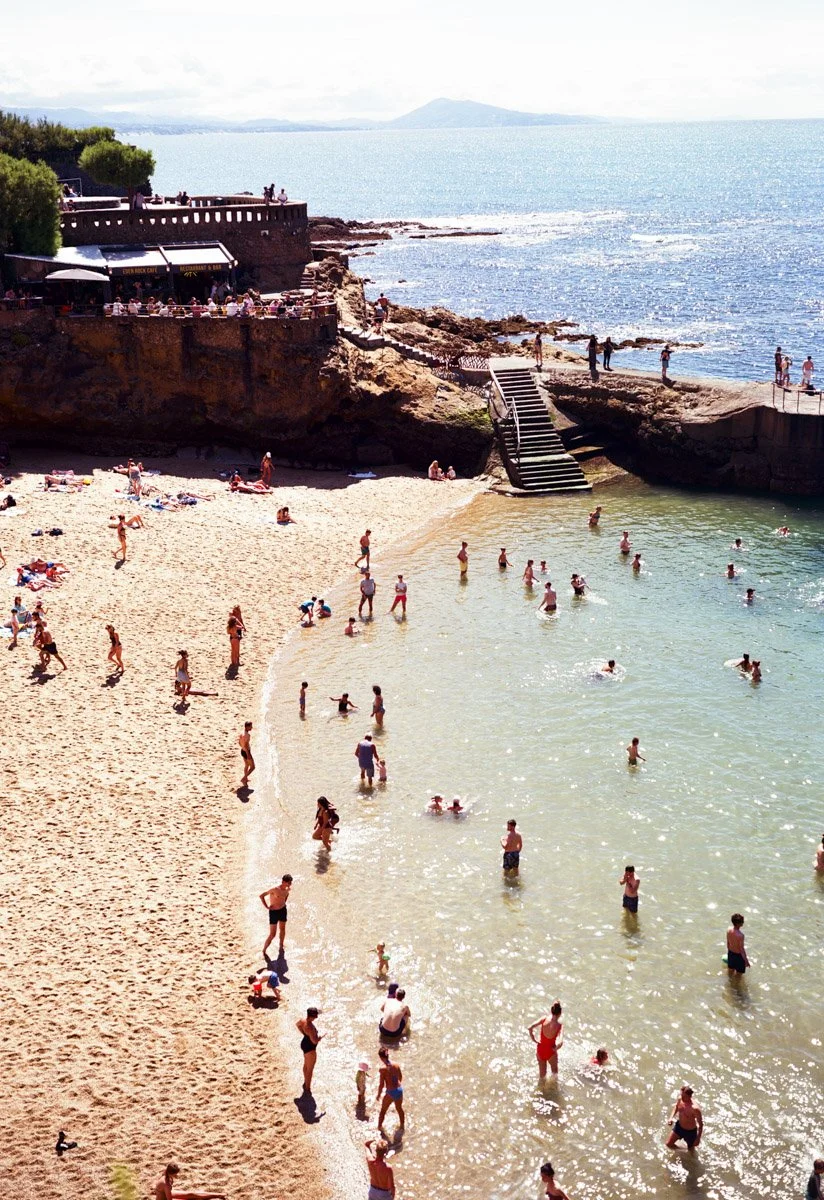
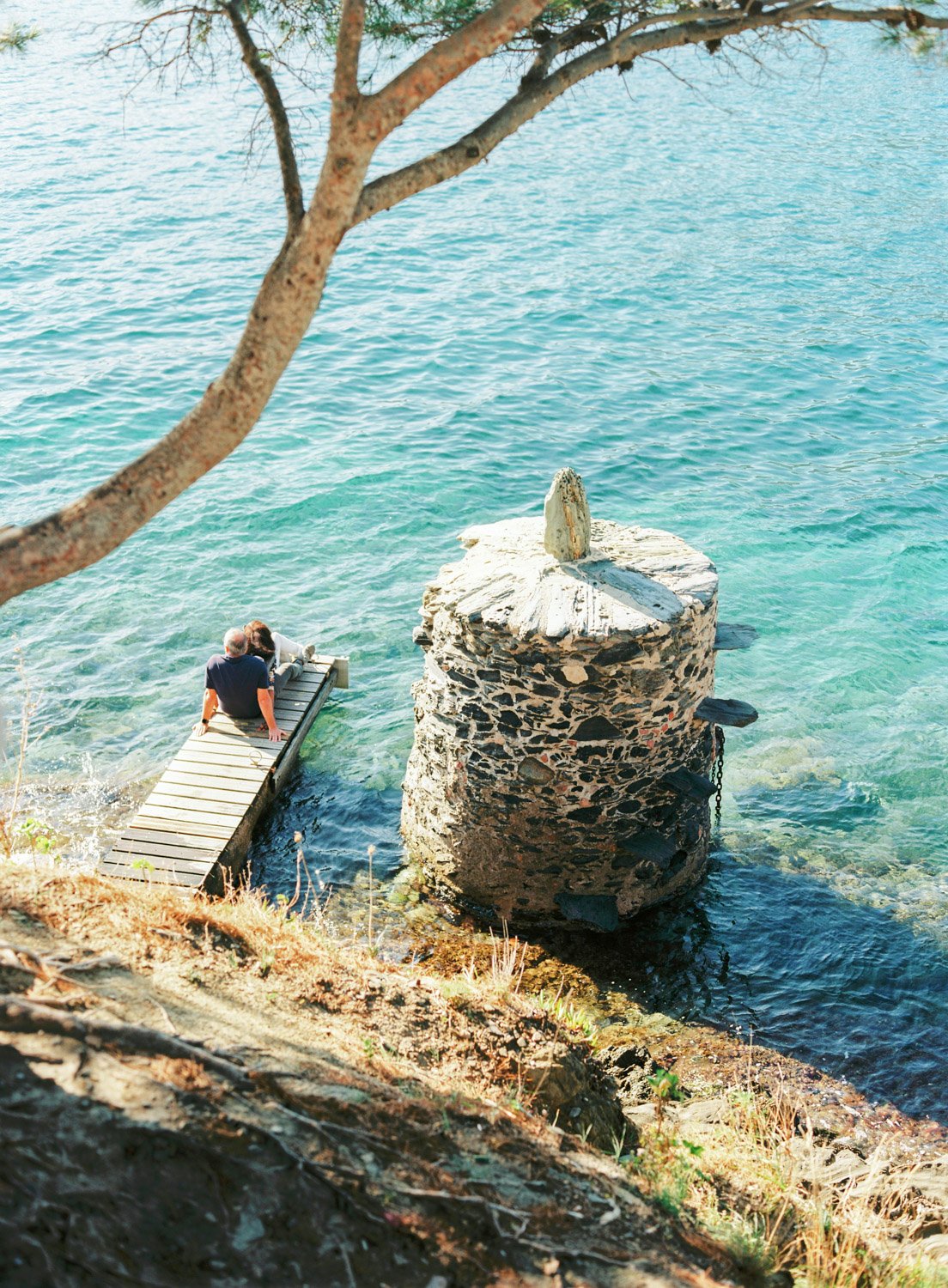
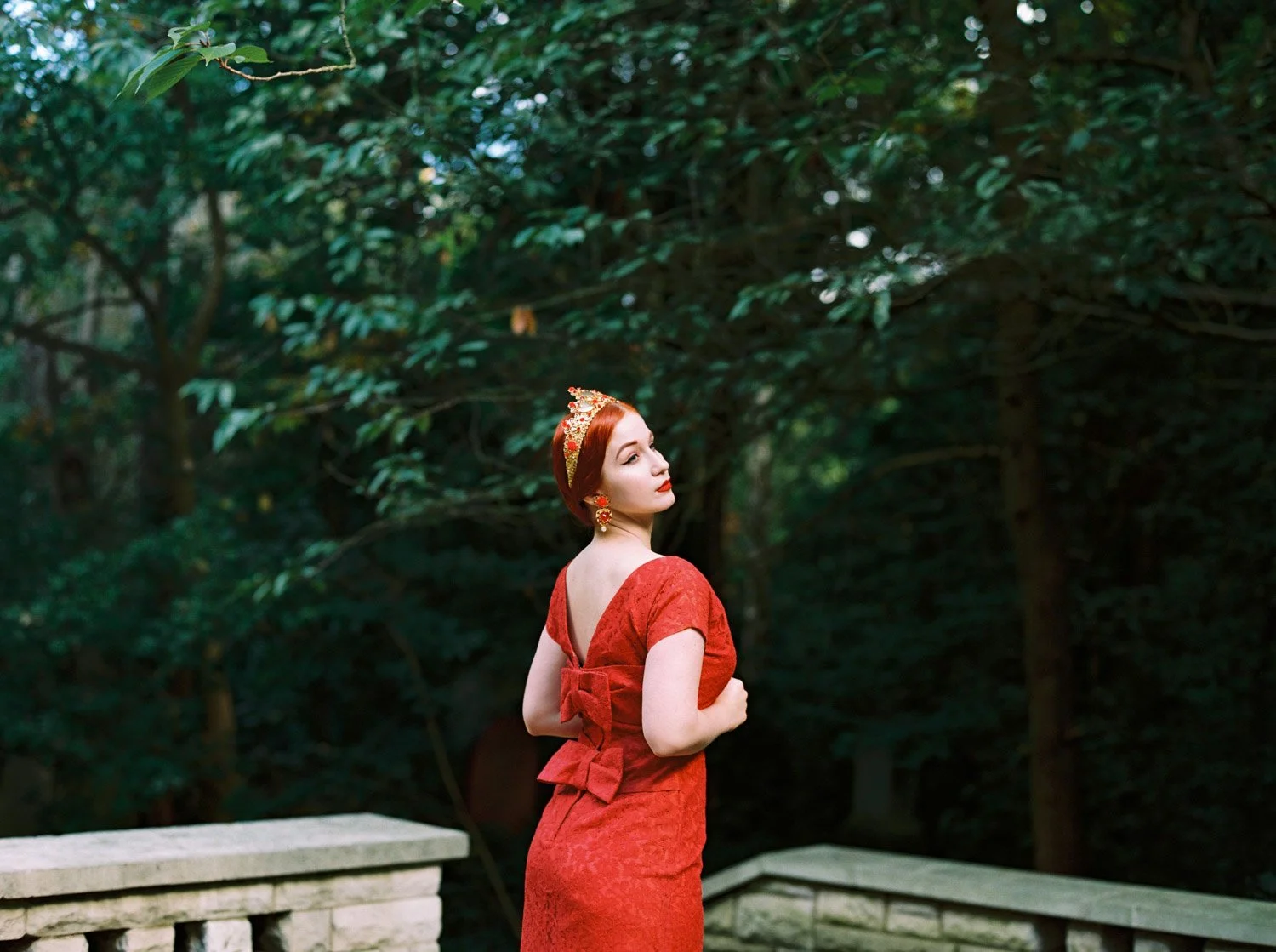
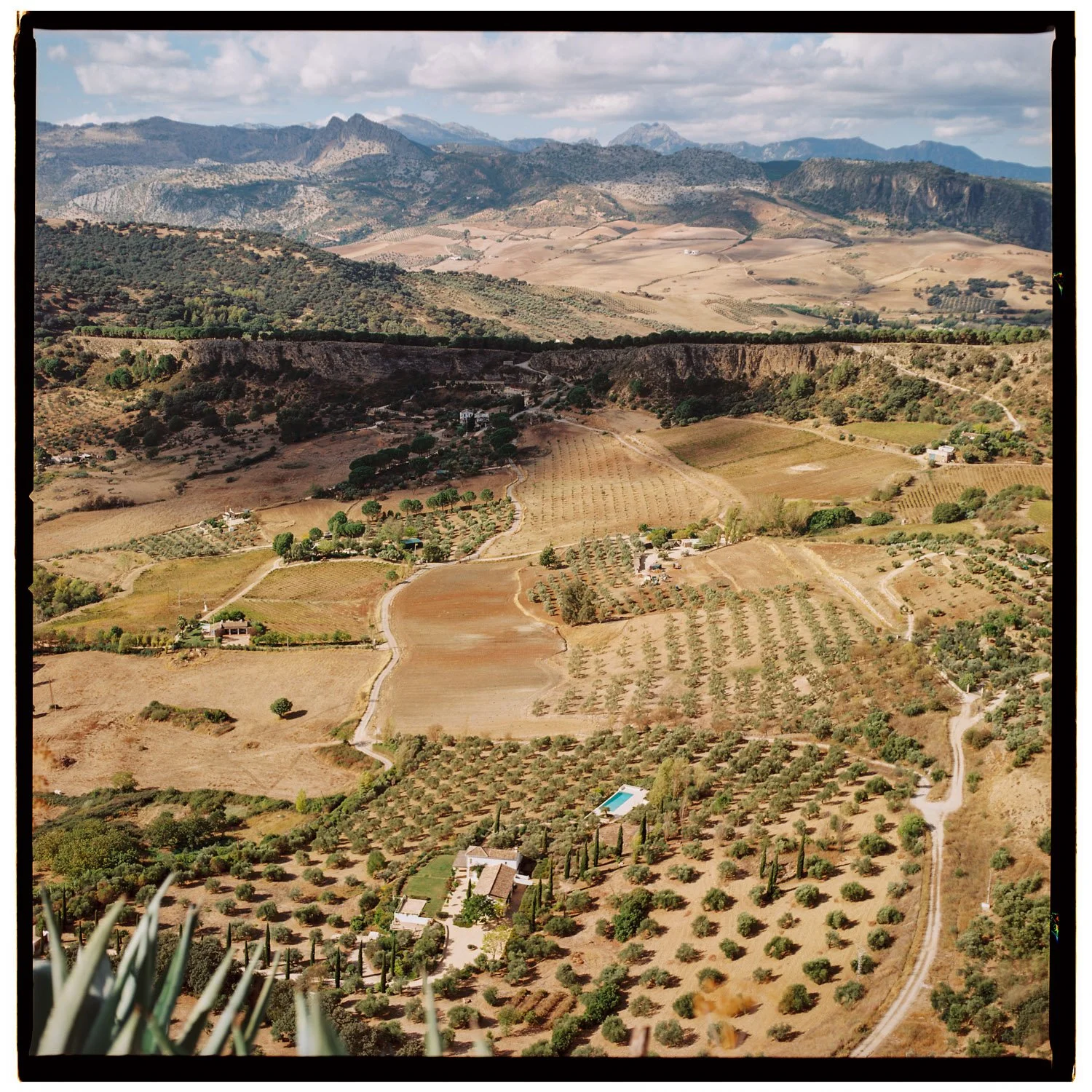
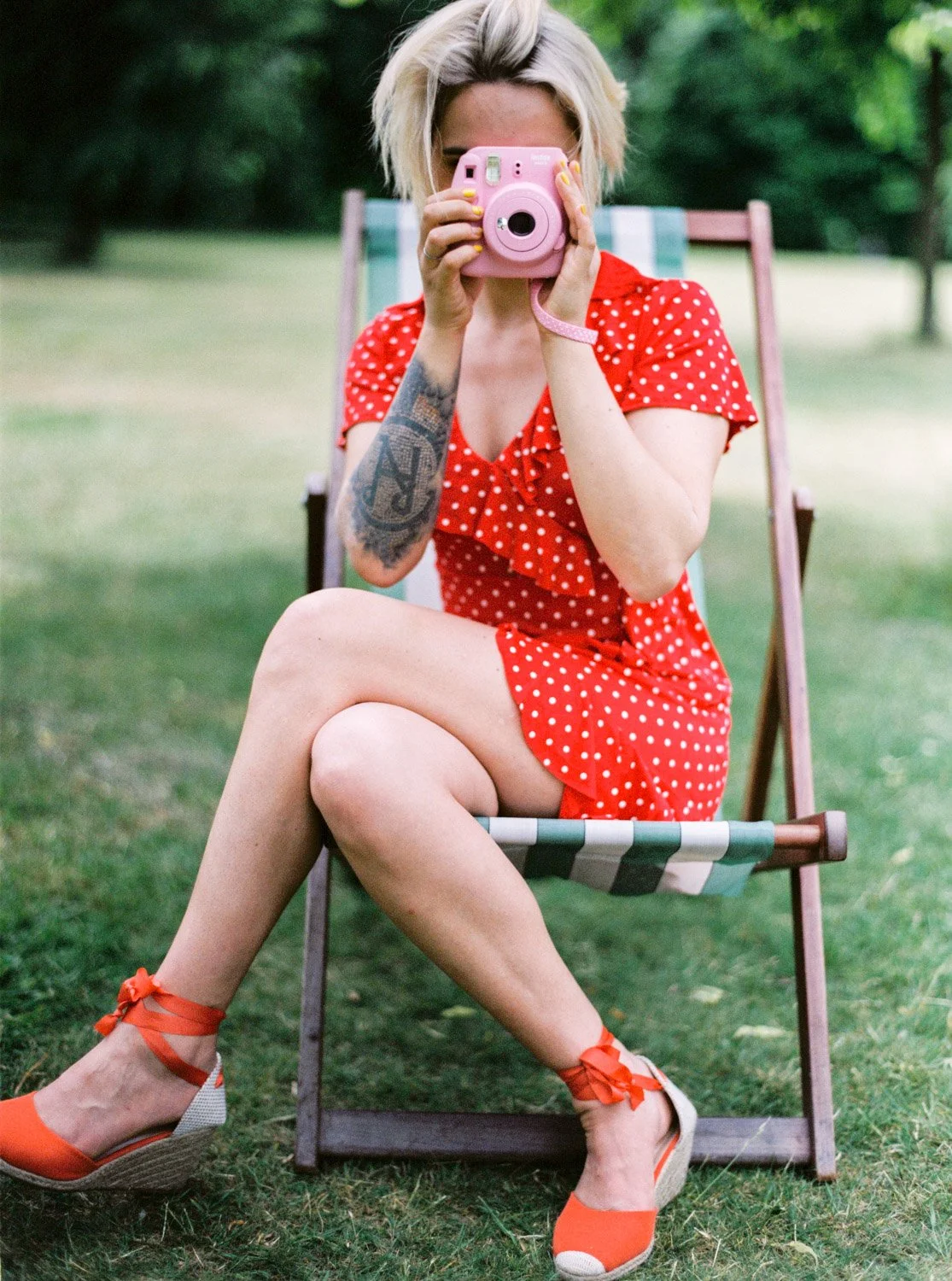
I'm sharing some of my favourite images taken on film.